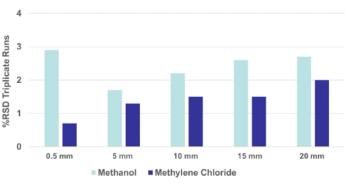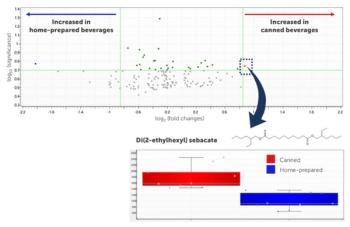
Automated sequential tube sampling and chemometrics supplement GC–MS, adding time profiling and fast product-line comparison for real-world insight.
Founded in 1983, LCGC International is the leading provider of digital and print content to the separation science market, enhancing the productivity, efficiency, and the overall value of separation techniques globally. With our commitment to editorial excellence, we have pioneered innovation across a broad portfolio of digital and print platforms.
Through our monthly print publication, website, newsletters, ebooks, webcasts, interviews, and special issues, which provide unbiased peer-reviewed articles, trusted troubleshooting advice, and best-practice applications solutions, LCGC International covers all key growth areas in the field of separation science. Laboratory-based analytical chemists and influential chromatographers can improve productivity and enhance their proficiency through LCGC International’s practical information, giving them a competitive advantage for the real-world challenges they face.
Subscriptions
To subscribe to LCGC International, please see our subscriptions page:
To manage your subscription, please contact
Submit Press Releases to
Marketing Opportunities
A range of marketing options provide access to LCGC’s audience. Options include print and digital advertising, newsletter advertising, mail lists, webcasts, virtual events, video programs, content marketing, and custom programs
Permissions
For permissions to re-use figures or other content, please contact the Editorial Director, Caroline Hroncich, at