|Articles|December 1, 2020
Expert Method-Development Software
ACD/AutoChrom helps method-development experts organize their workflow. Click the title or image for more information.
ACD/AutoChrom helps method-development experts organize their workflow. Choose initial conditions and set an experimental strategy, then execute the strategy from AutoChrom Online. Process and analyze your data, simulate chromatograms, and view 3D maps to optimize your method. The wizard-based workflow breaks rational method development down step-by-step, while powerful analysis and simulation tools allow experts to customize simulations and analyze their data. Find the optimal method, then report the project with a few clicks and save it to a database to build knowledge for the entire team.
Related to this article

Gas chromatography (GC) tests show spoilage yeasts alter flavor and raise alcohol in NoLo beer.

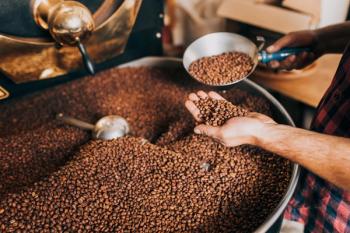
Liquid chromatography–tandem mass spectrometry (LC–MS/MS) finds low glyphosate residues of the weedkiller glyphosate in coffee beans.

This week, Chromatography Online explored how the technique is advancing wastewater drug monitoring, siRNA method development, and food safety testing, with previews of RAFA 2026 and a return to HPLC fundamentals with Michael Dong.

Recent EU legislation on PFAS shifts from monitoring individual compounds toward managing them as a chemical class.

In this seventh part of " Conversations with Michael Dong," a series on fundamentals of HPLC in pharmaceutical analysis, LCGC International’s "Perspectives in HPLC" column editor explains why 2.1-mm i.d. columns are less preferred for pharmaceutical quality control.

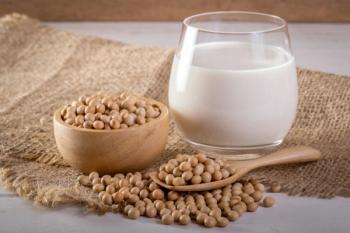
Ultrahigh-performance liquid chromatography–quadrupole time-of-flight mass spectrometry (UHPLC–QTOF-MS) shows how soaking and cooking break down soybean fats.

Liquid chromatography–tandem mass spectrometry (LC–MS/MS) links altered metabolism to lingering symptoms in Ebola survivors.
Trending on LCGC International
1
GC Reveals How Yeasts Spoil Non-alcoholic Beer
2
Conversations with Michael Dong: Why 2.1-mm i.d. Columns Are Less Preferred for Pharmaceutical Quality Control
3
Mass Spectrometry Imaging in Food: The Power and the Limits
4
Conversations with Michael Dong: Acetonitrile and Methanol: A Comparison of Their Chromatographic Properties
5