LCGC North America
HS-SPME-GC–MS is a valuable technique for identifying volatile organic compounds, additives, and degradation products in industrial rubber, car labeling reflection foil, and bone cement materials.
LCGC North America
HS-SPME-GC–MS is a valuable technique for identifying volatile organic compounds, additives, and degradation products in industrial rubber, car labeling reflection foil, and bone cement materials.
LCGC Asia Pacific
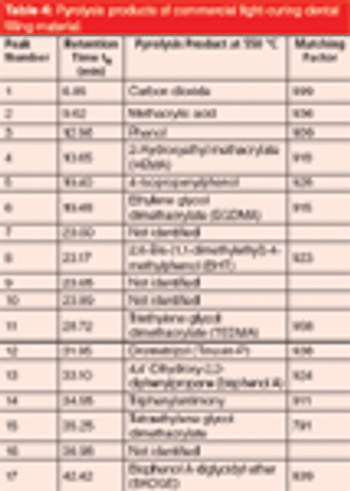
The pyrolysis–GC–MS method enables direct analysis of solid or liquid polymers without sample pretreatment, as illustrated here for various materials, including a dental filling material and a car wrapping foil.

The Column
The Column spoke to Peter Kusch of the Bonn-Rhein-Sieg University of Applied Sciences in Rheinbach, Germany, about analyzing failure in the automotive industry.

LCGC Europe
The pyrolysis–GC–MS method enables direct analysis of solid or liquid polymers without sample pretreatment, as illustrated here for various materials, including a dental filling material and a car wrapping foil.

LCGC North America
This pyrolysis–GC–MS method enables direct analysis of solid or liquid polymers without sample pretreatment, as illustrated here for various materials, including a dental filling material and a car wrapping foil.
LCGC North America
Small solid rubber samples can be analyzed without sample preparation.
Special Issues
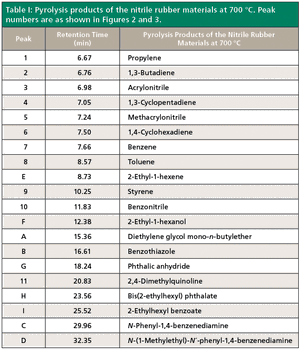
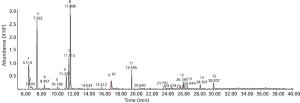
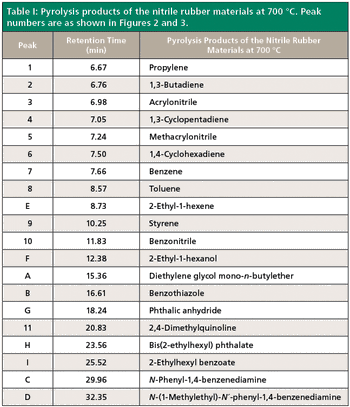
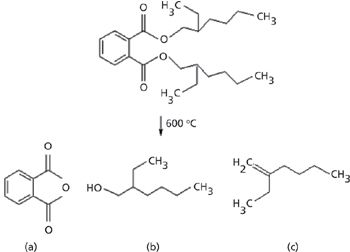
Nitrile rubber materials were studied using flash analytical pyrolysis-GC–MS to demonstrate that this technique is a good tool to identify the additives in nitrile rubber.

October 24th 2014