Columns | Inside the Laboratory

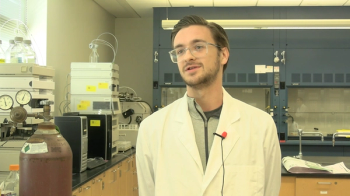
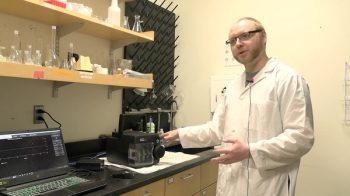
In the final part of this interview, Ralph Mead and his group at the University of North Carolina, Wilmington, discuss the biggest challenges in mitigating the effects of PFAS right now. Here’s the final part of our conversation with the Mead Group at UNC Wilmington.

As part of our series on how North Carolina researchers are helping to combat PFAS in the environment, we asked Mei Sun of the University of North Carolina, Charlotte, about her work with the North Carolina PFAS Testing Network, what strategies show the most promise for large-scale environmental cleanup, and how regulations on PFAS are influencing research priorities and mitigation technologies.

Dr. Paola Tiedemann of Texas Tech University. Photo Credit: © Paola Tiedemann

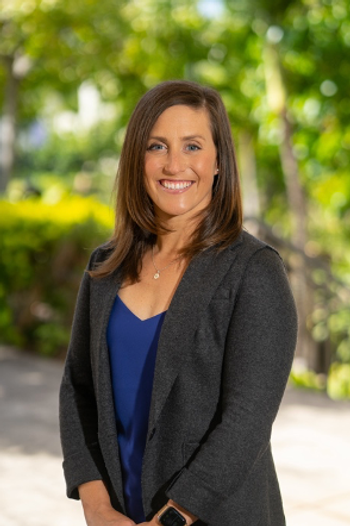
In this edition of “Inside the Laboratory,” Paola Tiedemann, PhD, an assistant professor of chemistry at Texas Tech University, discusses her laboratory group’s work using headspace sampling techniques like solid phase microextraction coupled to gas chromatography-mass spectrometry (SPME-GC–MS) to chemically characterize odor volatiles from a range of forensic specimens.

In this edition of “Inside the Laboratory,” Emanuela Gionfriddo, PhD, an associate professor of chemistry at the University at Buffalo, discusses her group’s current research endeavors, including using solid-phase microextraction (SPME) coupled to liquid chromatography (LC) and gas chromatography (GC) to further understand the chemical relationship between environmental exposure and disease and elucidate micropollutants fate in the environment and biological systems.

Kevin Schug, the Shimadzu Distinguished Professor of Analytical Chemistry at The University of Texas at Arlington (UTA). Photo Credit: © Kevin Schug

In this edition of “Inside the Laboratory,” Kevin Schug, PhD, a full professor of chemistry at the University of Texas at Arlington, discusses his laboratory’s group work in environmental monitoring around water and soil quality near oil and gas extraction, using techniques such as liquid chromatography (LC), gas chromatography (GC), supercritical fluid chromatography (SFC), and coupling these techniques with mass spectrometry (MS).