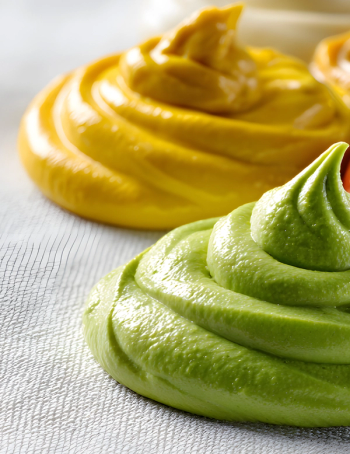
Gas chromatography–mass spectrometry (GC–MS) and ion chromatography profile wasabi and mustard heat and acidity.
Analyte binding to syringe filters can have an impact on quantitation of analytes. This webcast will talk about some of the factors that have an influence on analyte binding as well as some strategies to minimize analyte binding to syringe filters. Live: Wednesday, May 20, 2020 at 11am EDT | 8am PDT | 4pm BST | 5pm CEST On demand available after final airing May 20, 2021 Register free
Register free:
Event Overview:
HPLC analysis is very commonly used in various industries for quantitation of analytes. Any loss of analyte to sample preparation can be detrimental to quantitation. This webcast will discuss the effect of sample filtration on analyte binding and will focus on the following factors impacting analyte binding after filtration:
Key Learning Objectives:
Speaker: Vivek Joshi, Ph.D., Applications and Market Adoption Manager, Merck KGaA, Darmstadt, Germany
Time and Date: Wednesday, May 20, 2020 at 11am EDT | 8am PDT | 4pm BST | 5pm CEST
On demand available after airing until May 20, 2021.
Sponsors: MilliporeSigma, the life science business of Merck KGaA, Darmstadt, Germany
Register free: