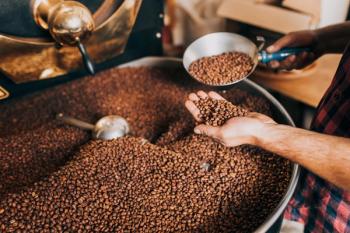
Liquid chromatography–tandem mass spectrometry (LC–MS/MS) finds low glyphosate residues of the weedkiller glyphosate in coffee beans.
Gas chromatography coupled with quadrupole mass spectrometry (GC-qMS) and high-performance liquid chromatography equipped with diode-array and refractive index detectors (HPLC-DAD/RI) to analyze the chemical and aromatic profiles of kombucha fermented with pineapple, fennel, and carrot by-products. The chromatographic data revealed how specific microbial communities interact with these plant residues to produce unique volatile organic compounds, demonstrating a sustainable approach for value-added beverage production.
A study conducted at the University of Turin (Italy) investigated the production of kombuchas supplemented with pineapple, fennel, and carrot by-products during the secondary fermentation phase, aiming to evaluate their influence on fermentation dynamics, microbial ecology, and the chemical and aromatic profiles of the final products. The experimental design integrated culture-dependent and culture-independent approaches, including amplicon sequencing, to characterize microbial community composition and evolution throughout fermentation. Chemical profiling was carried out using gas chromatography coupled with quadrupole mass spectrometry (GC-qMS) and high-performance liquid chromatography equipped with diode-array and refractive index detectors (HPLC-DAD/RI).A paper based on this research was published in Food Research International.1
A traditional fermented tea beverage obtained through the symbiotic metabolic activity of bacteria and yeasts within a cellulose matrix known as the Symbiotic Culture of Bacteria and Yeast (SCOBY), kombucha has recently gained increasing attention as a functional beverage due to its content of organic acids, bioactive compounds, and probiotic microorganisms.2,3 The worldwide market for this beverage is estimated at approximately USD 4–5 billion in 2024 and is projected to grow at a compound annual growth rate (CAGR) of 13–16% over the next decade.4
The research team monitored the fermentation process for their study during both the primary and secondary stages, and a shelf-life assessment was conducted over 14 days of refrigerated storage (4 °C) to evaluate product stability. Microbiological results indicated a predominance of the yeast Schizosaccharomyces spp., while Komagataeibacter spp. was the only bacterial genus identified. A significant reduction in α-diversity was observed over time, suggesting selective adaptation of the microbial community to the fermentation environment. β-diversity analysis revealed clear differences among samples collected after 8 and 22 days, reflecting the combined influence of time and substrate composition on microbial succession. Chemical analyses demonstrated an increase in acetic acid concentration and a progressive decline in pH throughout fermentation, consistent with the metabolic activity of acetic acid bacteria. Among volatile organic compounds (VOCs), alcohols and organic acids were the most abundant chemical classes detected. Several VOCs were associated with minor yeast genera, including Hannaella, Galactomyces, Aureobasidium, and Millerozyma, whereas Schizosaccharomyces spp. showed a strong correlation with specific aroma-active compounds, highlighting its key role in defining the sensory characteristics of the beverage.1
The researchers found that fermenting kombucha with plant by-products like pineapple, carrot, and fennel produces unique aromatic profiles driven by specific volatile organic compounds and microbial communities, predominantly K. rhaeticus and S. pombe. This innovative approach not only enhances the sensory qualities and potential economic value of the beverage but also champions circular economy principles by successfully upcycling food industry waste. While further metagenomic and sensory studies are needed to fully map these complex chemical and microbial interactions, utilizing plant residues offers a promising, sustainable method for producing highly marketable and eco-friendly kombucha.1
“Overall,” the authors of the paper write,1 “this study provides new evidence on how different vegetable by-products and microbial consortia influence the development of chemical and aromatic compounds in kombucha. The findings highlight the potential of using by-products as a sustainable, value-added strategy for producing fermented beverages, while also supporting the principles of the circular economy and resource-efficient food systems.”1
Read More on Similar Topics
References