As regulatory mandates push PFAS detection limits toward single-digit PPT levels, the pervasive threat of background contamination from solvents and instrument components has emerged as a defining challenge for modern laboratories. Proper data defensibility requires a rigorous, end-to-end mitigation strategy that prioritizes the replacement of fluoropolymer materials with inert alternatives as well as the implementation of delay columns to isolate system-derived interference. Ultimately, adopting a proactive approach to workflow integrity, through the use of certified consumables and specialized tools, is essential for laboratories to stay ahead of tightening environmental standards and expanding target lists.
In this seventh part of " Conversations with Michael Dong," a series on fundamentals of HPLC in pharmaceutical analysis, LCGC International’s "Perspectives in HPLC" column editor explains why 2.1-mm i.d. columns are less preferred for pharmaceutical quality control.
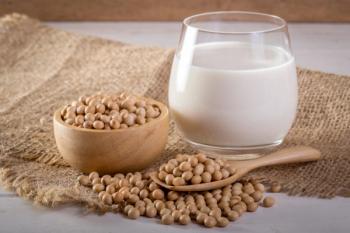
Ultrahigh-performance liquid chromatography–quadrupole time-of-flight mass spectrometry (UHPLC–QTOF-MS) shows how soaking and cooking break down soybean fats.
Nicolai Zederkopff explores chromatography’s role to help implement the maximum tolerable level (MTL) framework for food adulteration to translate analytical results into compliance decisions.
Franz Berthiller (BOKU University, Austria) discusses a multilaboratory study that used retention index markers to align mycotoxin liquid chromatography–mass spectrometry (LC–MS) data.
A QuEChERS/ultrahigh-performance liquid chromatography and high-resolution mass spectrometry (UHPLC-HRMS) method tracks 23 plant toxins in cereals and spices. Michele Suman discusses the method with LCGC International.