Growing concern over artificial sweeteners has underscored the need to better understand their
impact on human metabolism and health. Researchers at the University of Applied Sciences and Arts
Northwestern Switzerland (FHNW) have developed a robust workflow to detect sugar alcohols and related
metabolites in biological samples. This article highlights their latest findings and demonstrates how GC–
MS/MS, in combination with automated sample preparation and dried blood spot (DBS) analysis, is evolving
into a powerful approach for studying sweetener metabolism in a holistic, system-wide context.
This week, Chromatography Online explored how the technique is advancing wastewater drug monitoring, siRNA method development, and food safety testing, with previews of RAFA 2026 and a return to HPLC fundamentals with Michael Dong.
In this seventh part of " Conversations with Michael Dong," a series on fundamentals of HPLC in pharmaceutical analysis, LCGC International’s "Perspectives in HPLC" column editor explains why 2.1-mm i.d. columns are less preferred for pharmaceutical quality control.
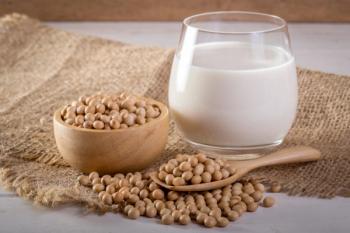
Ultrahigh-performance liquid chromatography–quadrupole time-of-flight mass spectrometry (UHPLC–QTOF-MS) shows how soaking and cooking break down soybean fats.
Nicolai Zederkopff explores chromatography’s role to help implement the maximum tolerable level (MTL) framework for food adulteration to translate analytical results into compliance decisions.