As pharmaceutical laboratories face increasing pressure to improve efficiency, sustainability, and
analytical precision, the demand for highly repeatable, resource-efficient instrumentation is on the rise.
Capillary-scale liquid chromatography (LC) is reshaping expectations, enabling labs to achieve high-impact
results without added overhead.
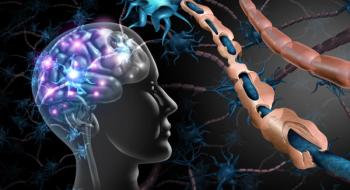
Nano-liquid chromatography-high-resolution tandem mass spectrometry (nano-LC-HRMS/MS) reveals saliva protein shifts before and after multiple sclerosis therapy.
Max Besenhard explains how hybrid mechanistic and machine learning models can make HPLC method development quicker, more robust and ready for autonomous digital twins.