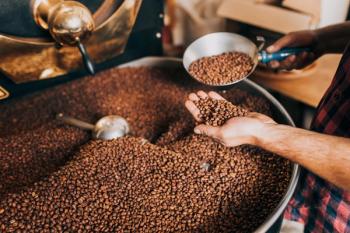
Liquid chromatography–tandem mass spectrometry (LC–MS/MS) finds low glyphosate residues of the weedkiller glyphosate in coffee beans.
Gas chromatography-mass spectrometry (GC-MS) analysis of 90 basil varieties identifies top chemotypes for industrial use.
Basil is a commercially valuable herb prized for its wide range of natural compounds and the oils that can be extracted from it. Despite its importance to industries ranging from pharmaceuticals to cosmetics, there is still a need to better understand the genetic variety within the plant, particularly to identify which types grow best in specific climates and consistently produce the highest quality oils.
To help address this, researchers at Çukurova University in Adana, Turkey, studied 90 different basil varieties grown under Mediterranean climate conditions. Their goal was to identify which varieties had the greatest potential for industrial use, with the chemical makeup of the extracted oils analyzed using gas chromatography-mass spectrometry (GC-MS). Their findings were published in the journal BMC Plant Biology.1
What Makes Basil Such a Valuable Crop?
Basil is one of the most well-known herbs in the mint family and is prized for its distinctive aroma.2,3 Their dried leaves, the oils extracted from them, and related products are a significant export to European markets,4 with their commercial value coming largely from the natural oils found in the leaves and containing a range of chemical compounds, with the exact mix varying depending on the variety of basil.5
What Did the Study Find, and What Are its Limitations?
The study discussed here was carried out over two growing seasons, in 2023 and 2024, at a research farm located at the researcher’s university. The team measured the levels of beneficial natural compounds in each basil variety, including substances known for their ability to neutralize harmful molecules in the body. The oils extracted from each variety were then analyzed to identify exactly which chemical compounds they contained.1
The results showed considerable differences between the 90 varieties tested. Four of them stood out for having the highest levels of beneficial compounds and the strongest antioxidant activity. Two others produced the greatest quantities of extractable oil. When it came to the chemical makeup of those oils, the researchers identified five distinct "types" of basil within the group, each dominated by a different key compound: linalool, methyl chavicol, citral, methyl cinnamate, and methyl eugenol. Further statistical analysis confirmed that the varieties tested represent a wide enough range of chemical diversity to be genuinely useful for future plant breeding programs.1
“This study,” write the authors of the paper,1 “provides a detailed characterization of basil germplasm, identifying specific genotypes with high industrial value. The classification of five major chemotypes offers a strategic foundation for targeted breeding programs aimed at developing high-quality cultivars. These findings contribute to the standardization of raw materials for the global pharmaceutical and fragrance industries.”
While studying the basil varieties over two growing seasons gave useful insights into how quality can vary from year to year, the research was carried out at just one location, which means that conclusions about how well different varieties adapt to varying environments should be treated with some caution. The researchers believe that future research should test these varieties across multiple sites with different climates and growing conditions, which would give a much clearer picture of which varieties perform consistently well regardless of where they are grown,and make it easier to identify the best candidates for wider commercial cultivation.1
Read More on Similar Topics
References