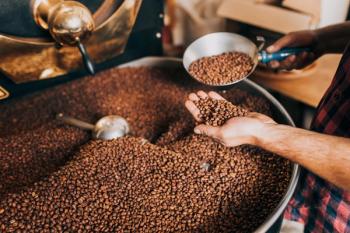
Liquid chromatography–tandem mass spectrometry (LC–MS/MS) finds low glyphosate residues of the weedkiller glyphosate in coffee beans.
High-performance liquid chromatography (HPLC) was used in a study measuring and monitoring vitamin C concentrations in the breast milk of postpartum mothers in Malaysia. The HPLC data revealed that average vitamin C levels were lower than those commonly reported in other populations, particularly during the initial weeks following childbirth. By accurately tracking these fluctuations using HPLC, the study established a significant correlation between early vitamin C levels and maternal fruit consumption, highlighting the critical need for targeted nutritional education to ensure adequate antioxidant intake during the postpartum period.
Vitamin C is a strong antioxidant that maintains both short- and long-term health in infants. Since breast milk an infant’s main source of vitamin C, maternal postpartum dietary practices can influence concentrations of the vitamin in breast milk, thereby affecting the infant’s intake. A joint study conducted by the Universiti Putra Malaysia and the UCL Great Ormond Street Institute of Child Health (London, England) set out to examine the trend of vitamin C levels in breast milk during the postpartum confinement period in Malaysian mothers and their association with maternal dietary intake, with the Vitamin C content in the milk in question measured using high-performance liquid chromatography (HPLC). A paper based on this research was published in Cureus.1
Deemed the “gold standard” of infant feeding by the authors of the paper, breast milk provides essential nutrients and bioactive components. Among the most important pf these to the infant’s health is vitamin C, a potent antioxidant that plays several critical biological roles, including the support of immune function by scavenging free radicals and maintenance of the integrity of natural barriers against infection.1,2 In addition, vitamin C enhances the absorption of non-heme iron, which aids in the prevention of iron deficiency anemia.3
Lactating women, according to the Malaysian Recommended Nutrient Intakes (RNI) require 95 mg of vitamin C per day, a figure slightly higher than the 85 mg/day recommended by the World Health Organization (WHO).4 A study by Agustina and associates, however, reported that many Malay mothers consistently fell below that recommended intake throughout their breastfeeding period.5 This information has raised concerns about potential inadequacies in breast milk vitamin C content and related infant health outcomes, concerns which inspired this study.1
Sixty-four first-time mothers in the Klang Valley of Malaysia participated in the study discussed here. Breast milk samples were collected during home visits at week 2 and weeks 8-12 postpartum. Participants completed a questionnaire covering sociodemographic characteristics and traditional postpartum practices, including a food list that assessed changes in dietary intake (classified as avoided, reduced, maintained, or increased) at two weeks postpartum.1
Analysis showed that the mean vitamin C concentration in the breast milk tested was 3.87 ± 2.8 µg/mL, a concentration lower than values commonly reported in other populations. While a significant positive correlation was observed between vitamin C concentrations at the early and later time points (r=0.60, p=0.022), levels of vitamin C were significantly lower at week 2 than at weeks 8-12 (p=0.04). At 2 weeks postpartum, fruit intake remained largely unchanged, whereas eggs and nuts were the most frequently avoided foods and fish and vegetable consumption increased the most. Fruit intake correlated with vitamin C at week 2 (r=0.573, p=0.01), but not later, and vitamin C was not associated with other food categories (p>0.05).1
“These findings,” write the authors of the paper,1 “suggest that maternal nutrition education during the perinatal period should include practical guidance on maintaining adequate intake of vitamin C-rich foods, particularly fruits, during confinement. Such education could be integrated into antenatal counselling or postnatal care, using culturally appropriate messaging that respects traditional beliefs while promoting dietary balance.”
The researchers are of the opinion that future studies should involve larger, diverse populations and incorporate more frequent sampling across lactation.1
Read More on Similar Topics
References