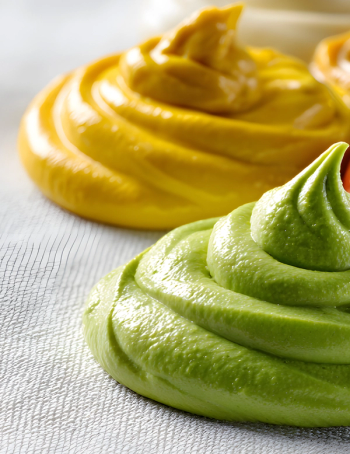
Gas chromatography–mass spectrometry (GC–MS) and ion chromatography profile wasabi and mustard heat and acidity.
Do you have experience with gas chromatographs and mass spectrometers, particularly in the identification and analysis of VOCs? Are you knowledgeable in the human odour spectrum and its chemical components? Have you got a laboratory with GC–MS capability?
Do you have experience with gas chromatographs and mass spectrometers, particularly in the identification and analysis of VOCs? Are you knowledgeable in the human odour spectrum and its chemical components? Have you got a laboratory with GC–MS capability? Then the US department of homeland security (DHS) may be interested in your help catching terrorists.
According to the DHS, their science and technology directorate is seeking sources to potentially expand its set of biometric screening tools for deceptive individuals by investigating the possibility of using the human odour signature as an indicator for deception.
At this initial stage the directorate is just looking into performing a proof-of-principle study to determine if human odour signatures can identify the liars. Additionally, this study will examine the human odour samples for evidence to support the theory that their odour signature can be used identify an individual in a manner similar to fingerprinting.