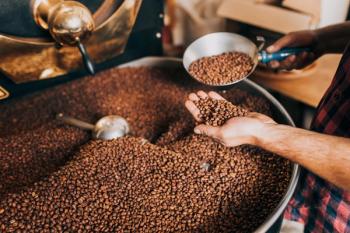
Liquid chromatography–tandem mass spectrometry (LC–MS/MS) finds low glyphosate residues of the weedkiller glyphosate in coffee beans.
Liquid chromatography-mass spectrometry (LC-MS) tracks gut bacteria activity before and after cognitive behavioral therapy treatment for social anxiety disorder.
Growing research suggests that the bacteria living in our gut may play a role in shaping how we behave socially and how anxious we feel. One way this may happen is through certain chemical compounds produced by gut bacteria that are thought to act as messengers between the gut and the brain. Cognitive behavioral therapy (CBT) is a well-established and effective treatment for social anxiety disorder (SAD), but until now it has been unclear whether this type of therapy has any effect on the gut bacteria themselves.
To explore this further, researchers conducted a study following 46 people diagnosed with social anxiety disorder over time. All participants completed a nine-week therapy program delivered online. To track any changes in gut bacteria activity, researchers measured levels of nine specific chemical compounds in the participants' blood — compounds known to be produced by gut bacteria —using liquid chromatography-mass spectrometry (LC-MS). These measurements were taken twice before treatment began, once after treatment ended, and again at a follow-up appointment three years later, with more than 80% of participants providing complete data at each stage. A paper based on this study was published in the journal Translational Psychiatry.1
What is Social Anxiety Disorder and How Does It Affect Those Who Have It?
A deeply distressing mental health condition marked by an intense, overwhelming fear of social situations and a persistent worry about being judged negatively by others, SAD, whichaffects more than one in eight people at some point in their lives, can have a profound impact on everyday life, making it harder to perform well at work, stay in school, find and keep a job, and build meaningful personal and romantic relationships.2-4 SAD is also linked to substance abuse, severe depression, and a higher risk of suicide.4,5 Research involving twins suggests that genetics play a significant role in who develops the condition, though environmental factors, such as parenting styles and difficult life experiences, also contribute.6,7
Studies in animals have consistently shown a link between the gut microbiome and social behavior. More recently, research has found that people with social anxiety disorder have a different makeup of gut bacteria compared to healthy individuals, and that mice given gut bacteria transplanted from SAD patients showed an increased sensitivity to social fear.8,9
Can Therapy for Social Anxiety Disorder Change the Chemistry of the Gut?
In addition to the 46 participants, a separate group of 42 healthy individuals was also included for comparison, with their levels measured twice over an 11-week period. Several different statistical methods were used to track changes over time, compare patients to healthy individuals, and assess how consistent the measurements were.1
The therapy proved effective, as participants showed significant reductions in social anxiety symptoms, and these improvements held up three years later. On the biological side, levels of four gut-produced compounds in the blood (butyric, isobutyric, propionic, and valeric acids) increased following therapy, with these changes appearing to be driven more by the passage of time than by differences between individuals. Before starting therapy, patients with social anxiety disorder had noticeably lower levels of isobutyric acid compared to healthy individuals.1
Taken together, these findings suggest that the lasting benefits of therapy may be connected to changes in the chemical signals produced by gut bacteria. However, the researchers note that factors such as diet and lifestyle were not tracked during the study and may have also played a role in the long-term changes observed.1
“This longitudinal study,” wrote the authors of the paper,1 “demonstrated that plasma concentrations increased in propionic, butyric, isobutyric, and valeric acids over two years after SAD patients received effective CBT, and that plasma concentration of isobutyric acid was lower in SAD patients relative to matched healthy controls before treatment onset. Our findings suggest that the effects of a psychosocial intervention may involve a microbiota-associated biological pathway.”
The researchers believe that future studies are needed that consider participants' diet and lifestyle habits, and that combine multiple types of biological data, to better understand how these factors interact. They also see promise in exploring whether treatments that target the gut microbiome could help people with social anxiety disorder.1
Read More on Similar Topics
References