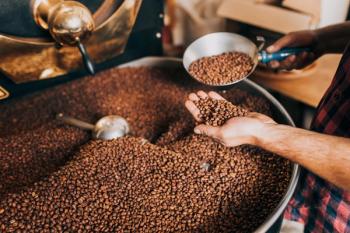
Liquid chromatography–tandem mass spectrometry (LC–MS/MS) finds low glyphosate residues of the weedkiller glyphosate in coffee beans.
Untargeted liquid chromatography-mass spectrometry (LC-MS) and molecular networking reveal seasonal pollutant shifts and emerging contaminants in South Africa’s Nylsvley wetland.
Wetlands are special natural habitats that support unique wildlife, but they are heavily shaped by what happens around them. As more people settle near Nylsvley (a South African wetland with international conservation status), visible changes to the ecosystem have followed. To get a clearer picture of what's in the water, researchers from the University of Venda in South Africa took water samples from two spots in the wetland during both the dry and wet seasons. Using untargeted liquid chromatography-mass spectrometry (LC-MS) combined with molecular networking, they found clear differences in the mix of substances at each site, with one location showing a wider variety of chemicals than the other. A paper based on their research was published in the Bulletin of Environmental Contamination and Toxicology.1
Why is a Broad Chemical Survey of the Nylsvley Wetland Needed?
Earlier research at Nylsvley Nature Reserve found the water quality to be poor and the number of water birds visiting dropping sharply by 80-90%. The frog population has also declined; there used to be 19 different kinds, but anecdotal observation states that there is hardly any frog calling after it rains, showing their numbers are much lower.2,3
What Makes this Study's Approach Novel?
Modern mass spectrometry instruments have become powerful enough to detect and analyze a huge range of chemicals in a single run, making them increasingly useful for environmental monitoring.4,5 Molecular networking has also transformed how scientists make sense of these complex chemical datasets, making it easier to spot differences between samples.6 To the best of the researchers' knowledge, this is the first time mass spectrometry has been used to take a broad, untargeted look at how the chemical makeup of a natural wetland changes over time. Earlier wetland studies using this technology tended to focus on man-made or artificial wetland systems and looked for specific chemicals rather than surveying everything present.7
The research team believes that the results could help guide efforts to restore damaged wetlands, in line with the United Nations' global push for ecosystem recovery.8
What Pollutants are Present in the Nylsvley Wetland, and What Do They Reveal About the Wetland's Chemical Health and Environmental Risks?
While many of the compounds found could not be identified due to the incomplete databases used by the researchers, there were several human-made pollutants recognized, including chemicals from plastics like erucamide and oleamide, phthalates, and the ultraviolet (UV) filter 2-hydroxy-4-methoxybenzophenone. Each of these could be risky for fish and other water life. In addition, there were also compounds tied to tobacco and opium use identified, which suggests wastewater is flowing into the wetland. The molecular networking showed a clear change in the chemical makeup of the sites before and after the rain.1
“Overall,” write the authors of the paper,1 “this work serves as a proof of concept, providing an initial assessment of the chemical status of the Nylsvley wetland and highlighting potential toxicological risks associated with emerging contaminants.”
While the researchers admit that the chemicals found could be harmful to fish, water plants, and animals higher up the food chain, more research is needed to measure these pollutants accurately with real reference standards so a proper assessment of the environmental risks can result.1
References