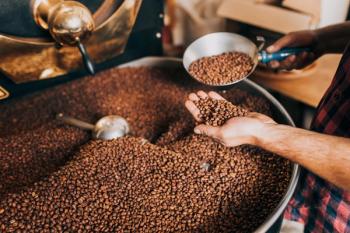
Liquid chromatography–tandem mass spectrometry (LC–MS/MS) finds low glyphosate residues of the weedkiller glyphosate in coffee beans.
Liquid chromatography-tandem mass spectrometry (LC-MS/MS) reveals fasting alters phthalate levels, with higher exposure linked to type 2 diabetes.
Intermittent fasting is growing in popularity to manage weight, but little is known about whether it affects the amount of plasticiser chemicals people are exposed to, or whether any such changes might influence blood sugar control in people with diabetes or affect vitamin D levels. To explore this, researchers studied a group of healthy individuals and people with type 2 diabetes (T2D) during Ramadan, which naturally involves time-restricted eating. Using liquid chromatography-tandem mass spectrometry (LC-MS/MS), they measured levels of plasticiser-related chemicals in urine samples and vitamin D in blood samples, both before and after the fasting period. A paper based on their work was published in Toxins.1
What Different Forms of Intermittent Fasting Exist?
The most common forms of intermittent fasting include alternate day fasting, where a person alternates between normal eating days and fasting days, and time-restricted eating, where food is only consumed within a set window of time each day, with no limits on what or how much is eaten during that window. In Islam, Ramadan takes this a step further, requiring a complete fast from food and drink from dawn to sunset. It is widely observed, with studies suggesting that around 84% of Muslims with type 2 diabetes still take part.2,3
What Are Plasticisers?
In plastic manufacturing, phthalates are added to make plastics more flexible, while bisphenols make them harder and more rigid. Because phthalates are not chemically bonded to the plastic itself, they can gradually seep out and contaminate food, making eating the main way people are exposed to them. How quickly these chemicals leach out depends on various factors, but studies have found that in some cases the levels escaping into food exceed what regulators consider safe.4-7
Do Plasticiser Chemical Levels in the Body Change During a Period of Fasting?
The study measured plasticiser-related chemicals in urine and vitamin D in blood samples from 19 people with type 2 diabetes and 31 healthy individuals, before and after a period of time-restricted eating during Ramadan. Body measurements and blood sugar levels were also recorded. At the start of the study, those with type 2 diabetes were older, heavier, and had higher blood sugar levels than the healthy group, though vitamin D levels were similar between the two groups. After the fasting period, blood sugar, weight, and vitamin D levels remained largely unchanged in both groups.1
When it came to plasticiser chemicals, levels of two phthalates rose after fasting in both groups, though these changes were less clear-cut once other factors like age, weight, and blood sugar were considered. However, a separate group of related chemicals showed a more consistent pattern, in that people with type 2 diabetes had notably higher levels of these substances over time compared to healthy individuals, even after adjusting for other variables. Blood sugar control also appeared to influence how these chemical levels changed during the fasting period. Additionally, vitamin D levels seemed to play a role in how certain other plasticiser chemicals behaved over time.1
“Ramadan time-restricted fasting,” write the authors of the paper,1 “is associated with changes in plasticiser metabolite levels, with estimated increased levels in T2D subjects versus healthy controls. Metabolite levels were influenced by HbA1c and vitamin D, though BMI was not observed to be a contributing factor.”
The researchers believe that future research should gather information on participants' eating habits, how they store their food, and lifestyle factors such as physical activity and sleep patterns, as these could help build a clearer picture of how these chemicals behave in the body.1
Read More on Similar Topics
References