We’ve expanded our capabilities with a state-of-the-art, 200,000 sq ft TRC facility in Toronto, completed in 2024 and staffed by over 100 PhD- and MSc-level scientists. This investment enables the development of more innovative compounds, a broader catalogue and custom offering, and streamlined operations for faster delivery.
• Our extensive range of over 100,000 high-quality research chemicals—including APIs, metabolites, and impurities in both native and stable isotope-labelled forms—provides essential tools for uncovering molecular disease mechanisms and exploring new opportunities for therapeutic intervention.
Quantitative non-targeted screening with predicted response factors is not for regulation, but can rank environmental chemicals by concentration and toxicity.
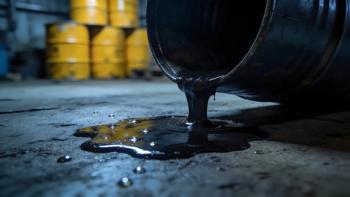
Gas chromatography–mass spectrometry (GC–MS) reveals a four-stage polycyclic aromatic hydrocarbons (PAH) breakdown in oil sludge co-composted with manure.
In this third part of " Conversations with Michael Dong," a series on fundamentals of HPLC in pharmaceutical analysis, LCGC International’s "Perspectives in HPLC" column editor discusses the retention mechanism of hydrophobic interaction.