This application note from SCION Instruments delves into the meticulous screening of impurities in plant protection products using GC-FID, with GC-MS for confirmation. It emphasizes the necessity of identifying and quantifying impurities to comply with regulatory standards in industries such as pharmaceuticals, food, and agriculture. The study specifically examines eugenol, showcasing how to determine significant impurities for regulatory submission. The approach integrates GC-MS and analytical standards, ensuring precise impurity identification and quantification critical for product approval.
In this seventh part of " Conversations with Michael Dong," a series on fundamentals of HPLC in pharmaceutical analysis, LCGC International’s "Perspectives in HPLC" column editor explains why 2.1-mm i.d. columns are less preferred for pharmaceutical quality control.
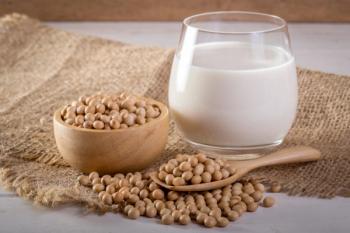
Ultrahigh-performance liquid chromatography–quadrupole time-of-flight mass spectrometry (UHPLC–QTOF-MS) shows how soaking and cooking break down soybean fats.
Nicolai Zederkopff explores chromatography’s role to help implement the maximum tolerable level (MTL) framework for food adulteration to translate analytical results into compliance decisions.
Franz Berthiller (BOKU University, Austria) discusses a multilaboratory study that used retention index markers to align mycotoxin liquid chromatography–mass spectrometry (LC–MS) data.
A QuEChERS/ultrahigh-performance liquid chromatography and high-resolution mass spectrometry (UHPLC-HRMS) method tracks 23 plant toxins in cereals and spices. Michele Suman discusses the method with LCGC International.