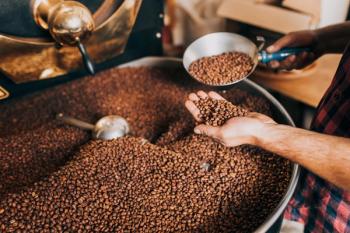
Liquid chromatography–tandem mass spectrometry (LC–MS/MS) finds low glyphosate residues of the weedkiller glyphosate in coffee beans.
Liquid chromatography-tandem mass spectrometry (LC-MS/MS) reveals how soccer training intensity shifts athletes' hormone levels.
Hard exercise is known to temporarily change hormone levels in the blood, but we do not yet have a clear picture of how professional soccer training specifically affects those levels,particularly in the context of anti-doping monitoring. In response, researchers examined how players' hormones respond to training sessions of different intensities, and whether those changes line up with how hard the players felt they were working.Venous blood samples were collected from 27 elite male professional outfield football players from an Italian Serie A club during the in-season period (2022-2023 competitive season) immediately before and after training, with steroid hormones present in the samples quantified by liquid chromatography-tandem mass spectrometry (LC-MS/MS). A paper based on this research was published in the journal Sports Medicine.1
Why is Hormone Tracking Important?
Hormones, including those involved in building muscle and managing stress, play a key role in how the body handles energy, fights off illness, and copes with the demands of physical activity.2 While scientists have a good understanding of how hormone levels change over months and years of regular training, much less is known about how they respond in the short term — specifically, what happens to hormone levels during and immediately after individual training sessions in real elite sport environments.3,4
How Was the Study Conducted, and What Did It Find?
In total, the researchers measured 26 hormones and their breakdown products in the blood using a highly accurate testing method. The training sessions themselves were tracked in two ways: externally, using GPS to monitor factors such as distance covered and movement patterns, and internally, by recording heart rate and asking players to rate how hard the session felt on a simple scale.1
To make sense of all the data collected, the researchers used several statistical methods suited to the complexity of the study, essentially a range of analytical tools to identify patterns, account for individual differences between players, and determine which training factors were most strongly linked to hormonal changes.1
The researchers found that training caused notable hormonal changes in the players' blood, and those changes were directly linked to how demanding the session was. After high-intensity sessions, there were clear spikes in stress hormones like cortisone, as well as increases in certain male sex hormones like androstenedione. Low-intensity sessions, by contrast, caused very little hormonal shift.1
The ratio between testosterone and androstenedione,two key hormones tracked in anti-doping programs, dropped noticeably after moderate and high-intensity sessions, which is an important finding given how these markers are monitored.1
Players who reported feeling like they had worked particularly hard also showed the biggest hormonal swings, especially in stress-related hormones. This suggests that how hard a player perceives a session to be is a decent indicator of the hormonal impact it's having on their body.1
“Acute football training is associated with rapid modulation of circulating steroid hormones, particularly following higher training loads and perceived exertion,” concluded the authors of the paper.1 “These findings highlight the potential relevance of recent training exposure when interpreting BSP variations and suggest that integrating steroidomic profiles with training-load information may improve the physiological contextualization of antidoping biomarkers.”
Read More About Similar Topics
References