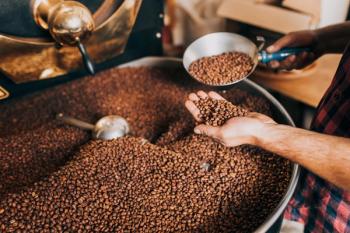
Liquid chromatography–tandem mass spectrometry (LC–MS/MS) finds low glyphosate residues of the weedkiller glyphosate in coffee beans.
Ultra-high-performance liquid chromatography was coupled with high-resolution mass spectrometry (UHPLC-HRMS) to identify compounds of a traditional Chinese herbal remedy in a brain linked to antidepressant effects.
Losing and damaging brain cells is a key part of what happens in depression, and scientists think a specific type of cell death called necroptosis (a kind of "programmed" cell destruction) might be one of the ways this damage happens. By digging through public genetic databases, researchers found evidence linking depression to this necroptosis process, suggesting that blocking it might be a promising way to treat depression.
Modified Xiaoyao San (MXYS) is an updated version of a traditional Chinese herbal remedy, created by adding herbs believed to cool the blood, clear heat, sharpen mental function, and aid recovery , all in hopes of making the treatment more effective. But up to now, it hasn't been clear whether MXYS can help protect brain cells from a specific kind of damage-driven cell death, or which of its active ingredients even make it into the brain in the first place. To find out, researchers used ultra-high-performance liquid chromatography coupled with high-resolution mass spectrometry (UHPLC-HRMS) to get a first look at which compounds from MXYS show up in brain tissue. A paper based on their efforts was published by JoVE (formerly Journal of Visualized Experiments).1
Why Is Depression Such a Significant Global Health Burden?
Depression is a serious mental health conditionmainly marked by an ongoing low mood, and it can be caused by a mix of different factors.2 In real-world settings, people with depression often experience a persistent low mood, slower thinking, and less talking and physical movement than usual. In more serious cases, this can escalate to self-harm or thoughts of suicide.3 Because depression is so common, tends to come back even after treatment, and can be severely disabling(sometimes even fatal), it is already one of the leading causes of disability worldwide, and it takes a real toll on both society and the economy. The World Health Organization projects that by 2030, depression will outrank cancer and heart and stroke-related diseases as the single biggest contributor to poor health worldwide.4
How Has Traditional Chinese Medicine Been Developed and Used to Treat Depression?
Traditional Chinese medicine (TCM) has long been used to treat depression. In TCM theory, the liver is responsible for keeping the body's energy, or "qi," flowing smoothly. When someone, therefore, experiences emotional distress, it is thought to cause this energy to get "stuck" in the liver, and that blockage is seen as a root cause of depression. Because of this, the main treatment approach in TCM is to ease that blockage and get the liver's energy flowing again. One well-known herbal remedy used for this purpose is Xiaoyao San (XYS), and there's a good deal of research backing its use for depression. It's also been reported to help protect brain cells from the damage-driven cell death process mentioned earlier.5-7
Drawing on traditional Chinese medicine ideas (specifically that a "stuck" liver can turn into internal "heat," and that the body's clear, uplifting energy should reach the brain), the researchers XYS was modified by adding a few new ingredients. Two herbs, Moutan Cortex (Mudan Pi) and Gardeniae Fructus (Zhizi), were included to help clear heat and cool the blood, while two others, Acori Tatarinowii Rhizoma (Shi Changpu) and Polygalae Radix (Yuan Zhi), were added to support mental clarity and aid recovery. The result was a new version of the formula, MXYS, designed to work better than the original based on traditional medicine principles. That said, the study discussed here did not directly compare MXYS to the original XYS formula to see how they compare with each other.8
Does MXYS Work as a Treatment for Depression, and, If So, is That Effect Linked to Reduced Necroptosis?
To test how well the treatment worked, the researchers used a mouse model of depression created by exposing the mice to ongoing mild, unpredictable stress over time. They looked at the mice's behavior, examined brain tissue under the microscope, and used several lab techniques to study proteins and genetic activity in the brain. The results showed that giving mice MXYS led to noticeable improvements; the mice showed fewer depression-like behaviors, their brains showed less damage, and two specific proteins involved in a type of cell-damaging process (RIPK3 and MLKL) were less active than before.1
“These findings,” write the authors of the apper,1 “suggest that MXYS exerts antidepressant-like effects that are associated with reduced neuronal necroptosis markers, providing experimental support for further investigation of MXYS as a potential therapeutic strategy for depression.”
Read More on Similar Topics
References