

The Column
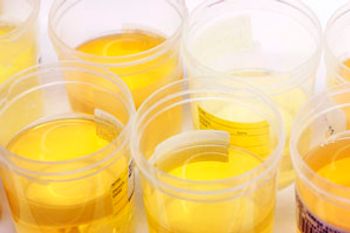
The first pilot study demonstrating the application of a prototype "scent device" (commercially known as "OdoReader") to detect bladder cancer has been published in the journal PLOS ONE.1
LCGC Associate Editor
The Column
The first pilot study demonstrating the application of a prototype "scent device" (commercially known as "OdoReader") to detect bladder cancer has been published in the journal PLOS ONE.1
The Column
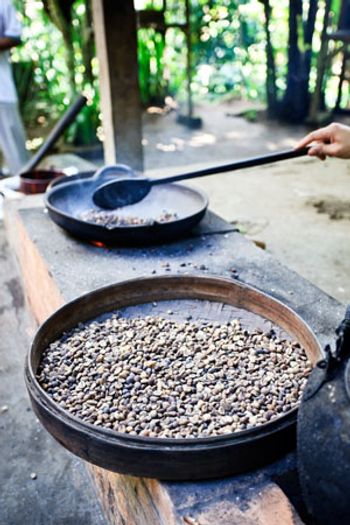
Analytical chemists from Indonesia have developed a metabolomics-based method to determine the authenticity of the world?s most expensive coffee, Asian palm civet coffee (Indonesian Kopi Luwak).1 Currently, there is no reliable, standard method for determining authenticity, making it an ideal target for fraud.

The Column
Kevin A. Schug, professor at the University of Texas, Arlington (Texas, USA) and LCGC North America EAB member, has led a team to survey and assess the impact of natural gas extraction from shale, also known as "fracking", on nearby water sources. The results of the assessment were recently published in the journal Environmental Science & Technology.1

The Column
Experts in the food industry are always searching for natural sources of bioactive compounds to develop products that enhance athletic performance. A new study has suggested that drinking watermelon juice may alleviate muscle ache experienced by many athletes, and non-athletes, following a period of exercise. The study published in the Journal of Agricultural and Food Chemistry showed that naturally high levels of L-citrulline in watermelon juice may be more effective than pharmacological supplements.

The Column
Scientists from the University of Bradford (Bradford, UK) have utilized liquid chromatography?tandem mass spectrometry (LC-MS-MS) to gain further insight into the child sacrifice practices of the Inca people.1 Their findings indicate the use of alcohol and cocaine (COC) as a method of victim sedation.

The Column
Comprehensive two-dimensional gas chromatography (GCXC) has been performed to identify the origins of a mysterious oil sheen in the Gulf of Mexico, first reported in September 2012. The results have been published in the journal Environmental Science and Technology1 by researchers from the University of California (California, USA) and the Wood Hole Oceanographic Institute (WHOI) (Massachusetts, USA).

The Column
Martin Giera and colleagues from the Center of Proteomics and Metabolomics (The Netherlands) have published a study in the Journal of Chromatography B1 evaluating different column chemistries for reversed-phase liquid chromatography (RP-LC) and hydrophilic interaction chromatography (HILIC) for fast urinary metabolic profiling.
The Column
A cell cycle clock consisting of four continuous stages governs cell division (and replication), with each stage controlled by a specific series of protein complexes. Cancer is characterized by the uncontrolled division of cells that have gained genetic mutations that allow them to overcome these controls, therefore resulting in their self-sufficiency.
The Column
Scientists from the University of Michigan Medical Centre (Michigan, USA) have demonstrated the viability of immuno-laser capture microdissection (iLCM) combined with nano liquid chromatography tandem mass spectrometry (LC–MS–MS) for the investigation of various subpopulations of cells within tissues.1 Cancerous tissue can contain different subpopulations of cells and knowing what is within a tumour can help to determine the appropriate course of treatment.
The Column
A new candidate biomarker of sugar and sugar-sweetened beverage (SSB) intake has been proposed in a recent study published in the Journal of Nutrition.1 The study presents the carbon isotope ratio of alanine as a new biomarker for use in studies monitoring dietary sugar intake