

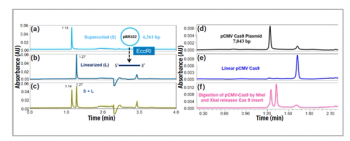
Slalom chromatography speeds mRNA QC—separating plasmid forms and spotting dsRNA impurities in minutes with higher sensitivity than gels or ELISA.

Matthew Lauber is a Senior Director within Waters (Corporation, Milford, USA) where he oversees the development of new columns, reagents and enzymes for the analysis of biomolecules. He has been a leading inventor in this field of work for over a decade having published 80 research articles on LC based techniques.
Slalom chromatography speeds mRNA QC—separating plasmid forms and spotting dsRNA impurities in minutes with higher sensitivity than gels or ELISA.
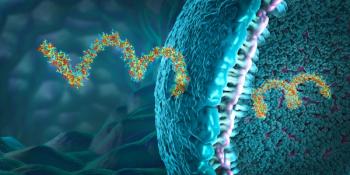
Hydrophilic interaction liquid chromatography (HILIC) has emerged as a promising alternative to traditional ion-pair reversed phase liquid chromatography (IP-RPLC) methods for separating oligonucleotides (ON). This work investigates the application of HILIC to the separation of ON sequence and length variants, duplexes, and single-stranded components.
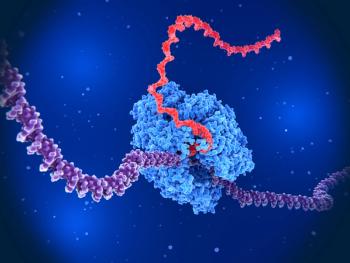
New gene therapy modalities, such as CRISPR guide RNA (single guide ribonucleic acid [sgRNA]) and messenger RNA (mRNA), continue to make progress in both primate and first-in-human trials. As this progress builds, the industry remains accountable for characterizing these molecules to meet the requirements of regulatory authorities.
Pressure-enhanced liquid chromatography (PE-LC) offers a new approach for improving selectivity for large molecule separations. Examples shown here include short oligonucleotides in ion-pairing reversed-phase (IP-RP) liquid chromatography and larger nucleic acids in ion-exchange (IEX) chromatography.


