Triazine herbicides are commonly used in crop management to remove invasive plant species. These herbicides disrupt the photosynthesis cycle, leading to plant death and can contaminate soil and groundwater if used in high enough concentrations and for long enough duration. As such, the monitoring of these herbicides is important to minimize and monitor contamination. The app note outlines using a systematic screening protocol to develop a method for the analysis of a mixture of seven structurally similar triazine herbicides.
This week, Chromatography Online explored how the technique is advancing wastewater drug monitoring, siRNA method development, and food safety testing, with previews of RAFA 2026 and a return to HPLC fundamentals with Michael Dong.
In this seventh part of " Conversations with Michael Dong," a series on fundamentals of HPLC in pharmaceutical analysis, LCGC International’s "Perspectives in HPLC" column editor explains why 2.1-mm i.d. columns are less preferred for pharmaceutical quality control.
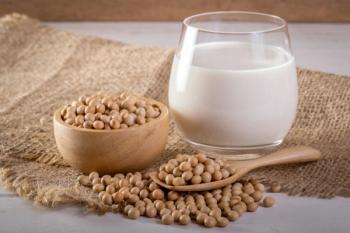
Ultrahigh-performance liquid chromatography–quadrupole time-of-flight mass spectrometry (UHPLC–QTOF-MS) shows how soaking and cooking break down soybean fats.
Nicolai Zederkopff explores chromatography’s role to help implement the maximum tolerable level (MTL) framework for food adulteration to translate analytical results into compliance decisions.