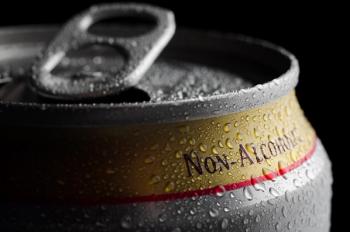
Gas chromatography (GC) tests show spoilage yeasts alter flavor and raise alcohol in NoLo beer.
Measuring the small molecules that fuel cell metabolism, things like amino acids, sugar phosphates, and energy carriers, turns out to be trickier than it sounds. Victoria Pozo Garcia explains to LCGC International why hydrophilic interaction liquid chromatography (HILIC) tends to work better for these compounds than the more common reversed-phase method.
Central carbon metabolism sits at the heart of cellular bioenergetics, covering glycolysis, the pentose phosphate pathway, the TCA cycle, and the biosynthetic branch points that feed into amino acid, nucleotide, and fatty acid pathways. Capturing this metabolic snapshot reliably has long been a chromatographic puzzle: early efforts relying on C18 reversed-phase separations struggled because the most polar metabolites simply were not retained. A recent paper published in Metabolomics1 builds on hydrophilic interaction liquid chromatography (HILIC) as the preferred alternative, exploiting hydrophilic and weak electrostatic interactions, paired with acetonitrile-based gradients together with ammonium acetate and ammonium hydroxide buffers, to retain amino acids, nucleotides, carboxylic acids, and sugar phosphates without resorting to ion-pairing agents.