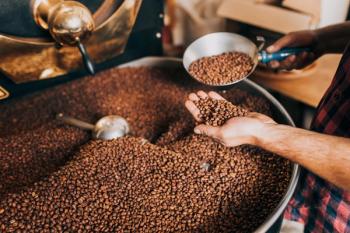
Liquid chromatography–tandem mass spectrometry (LC–MS/MS) finds low glyphosate residues of the weedkiller glyphosate in coffee beans.
High-performance liquid chromatography-mass spectrometry (HPLC-MS) blood analysis links linoleic acid, bile acids to cardiac risk.
Standard risk factors do not fully explain why some people with coronary artery disease (CAD, heart disease caused by clogged arteries) still go on to have serious heart problems like heart attacks or strokes. To better understand this, researchers set out to find blood-based markers that might predict who is at higher risk, and to explore how the gut, liver, and heart may interact to influence this risk. They analyzed blood samples (taken after fasting) from 800 people total: 200 with heart disease who had experienced a major cardiac event, 200 with heart disease who hadn't, and 400 healthy people used for comparison. Untargeted high-performance liquid chromatography-mass spectrometry (HPLC-MS) was used to identify the different chemical substances present in each person's blood. A paper based on this research was published in the journal Cardiovascular Diabetology-Endocrinology Reports.1
Why Aren't Current Heart Disease Risk-Prediction Tools Good Enough at Identifying Which Patients Are Truly at the Highest Risk of Serious Complications?
CAD is one of the top causes of death worldwide. While the standard tools doctors use to predict a person's heart disease risk work reasonably well for the general population, they often fall short when it comes to pinpointing who is truly at the highest risk of serious complications, especially in patients who also have related conditions like diabetes or metabolic syndrome (a cluster of issues including high blood pressure, excess body fat, and abnormal cholesterol levels).2-5 Additionally, these prediction tools mostly rely on standard measurements, such as blood pressure and one-time cholesterol readings, that do not capture the bigger picture of how a person's metabolism is shifting over time or reveal newer, less obvious disease processes that might be at play.1 “This reliance,” writes the authors of the paper,1 “limits our understanding of the intricate biological interactions driving residual risk and hinders precise prognostic stratification.
Why Do Only Some Heart Disease Patients Go On to Have Heart Attacks or Other Major Cardiac Events—and Can Blood Chemistry Predict Who's at Risk?
In addition to utilizing HPLC-MS, this study looked back at existing patient data, comparing groups with and without the condition. The team analyzed all the blood chemical data using several statistical methods, plus eXtreme Gradient Boosting (XGBoost), a machine learning tool, to help identify which substances best distinguished the groups. They then looked at which biological pathways (chains of chemical reactions in the body) these substances were connected to. Finally, they measured levels of the hormone called FGF19, which is produced by the gut and acts on the liver, to confirm that the normal signaling between these organs was disrupted.1
The researchers report that participants in the study who had a major cardiac event were much more likely to also have diabetes, high blood pressure, and unhealthy cholesterol levels compared to the other groups. Using XG Boost, researchers could very accurately tell apart patients who had a cardiac event from healthy people and could also reliably distinguish them from heart disease patients who had not had an event.1
Digging into the blood chemistry, two biological processes stood out as disrupted: the breakdown of a dietary fat called linoleic acid, and elevated pro-inflammatory oxidized linoleic acid metabolites, a set of proteins that help regulate metabolism and inflammation. Specifically, byproducts created when linoleic acid is oxidized (chemically altered by exposure to oxygen) were found at notably higher levels in people who'd had a major cardiac event. These byproducts promote inflammation and can make arterial plaque more prone to rupturing, a key trigger for heart attacks.1
Furthermore, bile acids (substances made in the liver that normally help protect against heart disease) were noticeably lower in heart disease patients overall. This drop went along with higher levels of the gut hormone FGF19, suggesting that the normal communication between the gut, liver, and heart may be breaking down in these patients.1
“Dysregulated linoleic acid oxidation, altered PPAR signaling, and disturbed primary bile acid-FGF19 metabolism,” write the authors of the paper,1 “may represent key metabolic pathways associated with MACE susceptibility. Integrating these gut-liver-heart axis signatures into machine learning models holds significant promise for refining cardiovascular risk stratification and guiding targeted preventive interventions.”
Read More on Similar Topics
References