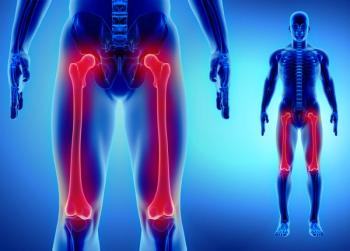
Data-independent acquisition (DIA) liquid chromatography-tandem mass spectrometry (LC–MS/MS) reveals shared and site-specific proteins across the thighbone.
Burnout is very common among people in demanding healthcare jobs, and even medical students and doctors in training are already at higher risk. Scientists still do not fully understand what happens in the body during burnout, partly because most past studies looked at people at a single point in time and focused on just a few biological signs. This study took a broader look. Over three years, researchers followed medical students and doctors in training. They measured burnout symptoms with a standard questionnaire called the Maslach Burnout Inventory and tracked how levels of the stress hormone cortisol and a related hormone, cortisone, rose after waking. These hormones were measured in saliva using liquid chromatography–tandem mass spectrometry (LC–MS/MS). The researchers also checked blood samples for signs of inflammation. A paper based on this research was published in the journal Psychoneuroendocrinology.1
Burnout is usually described as having three parts: feeling emotionally drained, feeling detached from or cynical about one's job, and feeling less capable or less accomplished at work.2More recent research suggests that feeling emotionally drained and feeling detached or cynical about one's job are the heart of burnout, while feeling less capable at work may be more of a result of burnout than a core part of it.3Burnout is generally thought to happen when people face stress at work for a long time without enough support or resources to cope with it.4People with demanding occupations that involve caring for others, such as doctors, are especially likely to experience burnout, and high levels of burnout are already showing up in medical students and doctors still in training.5-7 Even though burnout is common, scientists still do not fully understand what causes it, which makes it hard to measure and diagnose.8
The study included 154 participants, who were measured a total of 241 times. The researchers found no clear link between burnout symptoms and how stress hormone levels rose after waking. However, people with more burnout symptoms tended to show lower overall signs of inflammation. The researchers also found links between inflammation and the body's main stress-response system.1
Because this was an early, exploratory study, the research team believes that their findings need to be confirmed by future study. Researchers should check whether the same results hold up in experienced workers who have been diagnosed with burnout. Following people more often (for example every three months instead of once a year) could give a clearer picture of how burnout changes over time and how it affects the body and mind in the long run. The team states that future studies should also think carefully about how burnout is measured. Instead of relying only on people's own descriptions of their symptoms, they could add assessments by health professionals. It would also help to look at how burnout relates to physical symptoms linked to stress and to consider other factors that could skew the results, to better understand what the findings mean in real life. Finally, more research is needed on inflammation in people with burnout or those prone to stress, and on how inflammation connects with the stress hormones cortisol and cortisone. That would give a fuller picture of how the body's hormone and immune systems interact.1
Read More on Similar Topics
References