PFAS Analysis: Advances, Challenges, and the Road Ahead
This digital supplement explores the analytical hurdles laboratories face as PFAS testing pushes into trace-level territory, from a chemical universe spanning millions of structures to persistent background contamination and non-harmonized methods across regulatory bodies. Featured research covers non-targeted screening strategies for identifying unsuspected PFAS in complex food matrices, advanced multisorbent extraction and mass spectrometry workflows for organofluorines in municipal wastewater, and findings that PFAS concentrations in estuaries can shift four- to sevenfold within a single tidal cycle. Additional coverage details the development of fluorinated SPME sorbents for selective extraction of volatile PFAS and a fast GC-MS/MS method capable of detecting 37 PFAS compounds in food packaging in just 8 minutes. Together, these articles offer a data-driven look at emerging tools and techniques designed to keep pace with PFAS's expanding chemical scope and evolving regulatory demands.
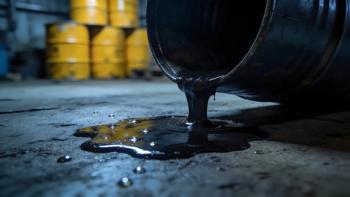
Gas chromatography–mass spectrometry (GC–MS) reveals a four-stage polycyclic aromatic hydrocarbons (PAH) breakdown in oil sludge co-composted with manure.
In this third part of " Conversations with Michael Dong," a series on fundamentals of HPLC in pharmaceutical analysis, LCGC International’s "Perspectives in HPLC" column editor discusses the retention mechanism of hydrophobic interaction.
LCGC International spoke to David Hage, Sanduni Heenkenda, and Zoe Zingler of the University of Nebraska-Lincoln about how green chemistry principles are reshaping affinity chromatography.