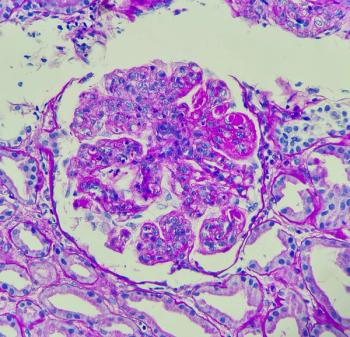
Gas chromatography–mass spectrometry (GC–MS) and liquid chromatography-quadrupole time-of-flight mass spectrometry (LC–qTOF–MS) reveal metabolic shifts in tricuspid regurgitation.
Gas chromatography (GC) analysis ties prenatal mindfulness to shifts in placental fatty acids.
Mindfulness-based stress reduction (MBSR), a program that teaches meditation and awareness techniques to help people manage stress, is a promising drug-free way to support mental health during pregnancy. In a recent study, researchers wanted to see whether taking part in this program during pregnancy was linked to changes in how the placenta works, specifically in how it handles nutrients and produces hormones. The placentas came from women taking part in a clinical trial in Barcelona called IMPACT BCN, in which participants were randomly assigned to either the mindfulness program or standard care. The researchers used gas chromatography (GC) to look at the types of fats in each placenta. They also measured how active certain genes were and how much of certain proteins were present, and they looked separately at placentas from baby boys and baby girls. The team published their findings in the journal Placenta.¹
According to the World Health Organization, anxiety is one of the most common mental health conditions in the world, affecting about 359 million people, or roughly 4.4% of the global population. Pregnant women are especially at risk of high levels of anxiety and stress because pregnancy brings so many changes to the body, hormones, and everyday life.2When a mother’s mental health suffers during pregnancy, it can lead to problems for both her and her developing baby.3Because the placenta is the link between mother and baby, it may be especially affected by stress and anxiety during pregnancy, which could change how it grows and works. Research suggests that anxiety is linked to changes in the placenta’s tissue, seen in scans as water moving more freely through it, a sign that the placenta’s fine structure may not be developing in the usual way.4
In recent years, there has been growing interest in drug-free ways to support mental health during pregnancy, especially approaches that help reduce stress. This is because medications taken during pregnancy have their limitations and may carry risks for the baby.5Mindfulness programs have become one of the most promising of these approaches. With roots in Buddhist traditions, mindfulness uses practices like breathing exercises and meditation to help people notice and accept their emotions, thoughts, and physical sensations. These practices can ease stress and switch on the body’s natural calming system, which helps slow the heart rate and relax the body.6
The researchers found that the MBSR program was linked to changes in the types of fats found in the placenta. Levels of several fatty acids went up, while one type of long-chain saturated fat went down. The program also lowered the activity of a gene that helps control fat-based chemical signals in the body. However, most genes involved in processing fats, inflammation, and the body’s stress hormone pathways did not change greatly.1
The MBSR program also reduced the activity of several key genes that the placenta uses to make hormones, including steroid hormones like progesterone and estrogen. This effect was seen mainly in placentas from baby boys. In line with this, placentas from boys also had lower levels of a protein involved in hormone signaling, suggesting that the mindfulness program may change how the placenta’s hormone system works.1
“MBSR during pregnancy,” write the authors of the paper,1 “is associated with selective, sex-specific changes in placental lipid and endocrine pathways. These findings suggest that MBSR intervention influences placental function, potentially impacting fetal development.”
Read More on Similar Topics
References