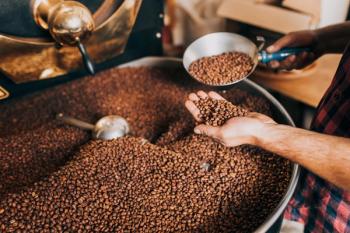
Liquid chromatography–tandem mass spectrometry (LC–MS/MS) finds low glyphosate residues of the weedkiller glyphosate in coffee beans.
Sensor gas chromatography (GC) determines whether water chasers change alcohol metabolism.
Hangovers can make it harder to safely drive a car or work in jobs that require careful attention, on top of causing miserable symptoms like headaches and exhaustion. Many people believe that drinking water between alcoholic drinks,often called a "chaser," helps ease hangover symptoms, but this idea has never actually been scientifically tested. That's what led researchers to investigate whether sipping water while drinking alcohol changes how the body processes ethanol and acetaldehyde (a byproduct of alcohol breakdown), and whether there is an actual reduction of hangover symptoms the next day. To do this, they measured reaction time and coordination, along with self-reported symptoms, and tracked ethanol and acetaldehyde levels in participants' breath using sensor gas chromatography (GC). A paper based on this research was published in Frontiers in Pharmacology.1
What Exactly Is a Hangover, and What Effects Can It Have on the Body and Daily Life?
A paper by Lantman and associates defined the hangover as “a combination of mental and physical symptoms experienced the day after a single bout of heavy drinking, beginning when the blood alcohol concentration (BAC) approaches zero.”2Later research showed that this earlier definition of a hangover didn't quite capture the full picture. Researchers found that some people can experience hangover symptoms even without drinking heavily, that these symptoms don't necessarily go away by the next day, and that a hangover involves more than just mental and physical symptoms. Because of this, hangovers were redefined more broadly by Arnoldy and associates as “a combination of negative mental and physical symptoms that one would experience after consuming alcohol, beginning when the blood alcohol concentration approaches zero.”3
Beyond the usual hangover symptoms like headaches and nausea felt the day after drinking, some research suggests that hangovers might also involve hormonal changes, including shifts in certain hormones and enzymes that regulate fluid balance, blood pressure, and stress response. There is also evidence linking how bad someone's hangover feels to changes in their immune system.4-7 Furthermore, the possibility of impaired motor vehicle operation and psychomotor function has been pointed out, and there is concern that the effects on people’s social lives may be significant.8,9
Does Drinking Water Between Alcoholic Drinks Reduce Hangover Symptoms or Affect How the Body Processes Alcohol?
The study included thirteen healthy Japanese men who all had the same genetic variant of a liver enzyme that breaks down alcohol, meaning they processed alcohol in a typical, "fully functional" way. Each participant took part in two drinking sessions, in random order: one where they drank sake alone (equivalent to a set amount of pure alcohol based on their body weight), and one where they drank the same amount of sake but also sipped water throughout, alternating between the two over the course of an hour.1
Before drinking, right after finishing, and then at several points over the next 15 hours, the researchers measured ethanol and acetaldehyde levels in participants' breath using sensor GC. They also had participants complete a quick mental processing-speed task and rate how intoxicated they felt on a simple sliding scale. To compare the two drinking conditions, the researchers used a statistical model that accounted for differences between individuals while looking at the effects of the drink type and how many times measurements were taken.1
The researchers didn't find any real differences between the two drinking conditions when it came to how quickly ethanol and acetaldehyde appeared in and cleared from participants' breath. Performance on the mental processing task was also about the same between the two groups. And when participants rated symptoms like facial flushing, headaches, nausea, difficulty concentrating, drowsiness, and feeling more upbeat, there wasn't a meaningful difference between drinking with water versus without it.1
“The intermittent addition of drinking water during ethanol consumption,” wrote the authors of the paper,1 “did not significantly alter ethanol disposition or pharmacodynamic parameters, suggesting it did not affect hangover symptoms.”
References