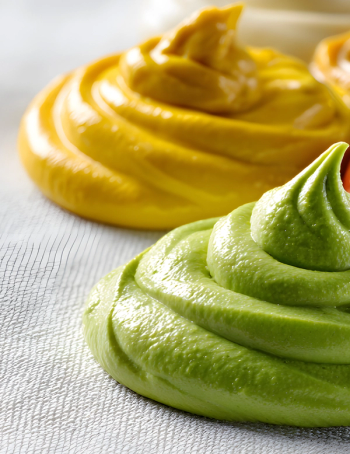
Gas chromatography–mass spectrometry (GC–MS) and ion chromatography profile wasabi and mustard heat and acidity.
Thermo Fisher Scientific announced a new partnership with Interfus?o to market, distribute and deploy Thermo Scientific-branded laboratory information management systems (LIMS) and chromatography data systems (CDS) to Brazil's growing metals, minerals and mining industries.
Thermo Fisher Scientific announced a new partnership with Interfuso to market, distribute and deploy Thermo Scientific-branded laboratory information management systems (LIMS) and chromatography data systems (CDS) to Brazil's growing metals, minerals and mining industries.
Interfuso was created in 1985 to provide economical solutions to the mining and cement industries in partnership with global suppliers, including Thermo Fisher, Dow, Cheminova, Eral, and Moly-Cop. Interfuso today supports many leading mining companies in Brazil, such as CVRD, Yamana, Anglo American, Kinross, Samarco, Votorantim, and CBMM.
"Our partnership with Interfuso strengthens and deepens our commitment to Latin America, especially mining customers in Brazil who demand greater efficiency and productivity from their informatics investment," said Oliver Faidi, Thermo Fisher Scientific's informatics representative for the region. "With more than 20 years serving these industries with SampleManager LIMS, and now working with Interfuso on a local level, we are well-positioned to help Brazilian customers reduce risk and total cost of ownership as they deploy informatics solutions to improve their operations."