The current trend in laboratory equipment design is the miniaturization of laboratory instruments. Smaller-scale HPLC instruments offer benefits that cannot be matched by analytical-scale equipment, especially in the areas of portability, reduced fluid volumes, and reduced operating costs. Yet, the miniaturization of laboratory equipment has brought with it a unique set of challenges, including transferring methods to compact LC.
Capillary LC expands the use of LC to applications not currently done using conventional LC in a wide array of application areas, including pharmaceutical, food and beverage, petrochemical, environmental, and oil and gas. Greg Ward, Axcend’s CEO wrote, “Customers want an HPLC system with a small footprint, low flow rates and green chemistry.” Join his podcast where he shares method transfer in these application areas.
In this seventh part of " Conversations with Michael Dong," a series on fundamentals of HPLC in pharmaceutical analysis, LCGC International’s "Perspectives in HPLC" column editor explains why 2.1-mm i.d. columns are less preferred for pharmaceutical quality control.
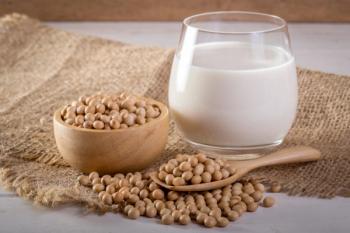
Ultrahigh-performance liquid chromatography–quadrupole time-of-flight mass spectrometry (UHPLC–QTOF-MS) shows how soaking and cooking break down soybean fats.
Nicolai Zederkopff explores chromatography’s role to help implement the maximum tolerable level (MTL) framework for food adulteration to translate analytical results into compliance decisions.
Franz Berthiller (BOKU University, Austria) discusses a multilaboratory study that used retention index markers to align mycotoxin liquid chromatography–mass spectrometry (LC–MS) data.
A QuEChERS/ultrahigh-performance liquid chromatography and high-resolution mass spectrometry (UHPLC-HRMS) method tracks 23 plant toxins in cereals and spices. Michele Suman discusses the method with LCGC International.