Chemical characterization of medical devices, including drug-device combination products, is crucial for ensuring regulatory compliance and patient safety by identifying and quantifying chemicals that may interact with the human body. This paper explores current trends, best practices, and regulatory developments in extractables and leachables (E&L) testing for medical devices.
Color tests, handheld Raman, and portable GC–MS struggle with designer drugs and mixtures; Ira Lurie makes the case for portable liquid chromatography.
Gas chromatography– (GC) and liquid chromatography–high-resolution mass spectrometry (LC–HRMS) reveal which laboratory consumables leach most plastic additives.
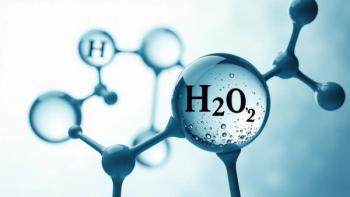
This week's Chromatography Online stories cover the promise and hurdles of sub-1 µm LC columns, Vanessa Abercrombie's career lessons, chemometric studies of mead, USP <665> extractables for antibody–drug conjugates, and new LC–MS and HPLC work on hydrogen peroxide, cancer proteomics, atropine contact lenses, and stevia.
Gas chromatography–mass spectrometry (GC–MS) and high-performance liquid chromatography (HPLC) show native Chinese pork has richer flavor, healthier fats.
Bin Sun of Cytiva explains his study testing whether USP <665> 50% ethanol extractables data covers DMA and DMSO in antibody–drug conjugate processing.