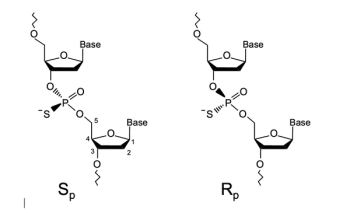
"LC Troubleshooting" explores why phosphorothioate oligonucleotides (ONs) diastereomers challenge liquid chromatography.
Dr. Martin Gilar received his Ph.D. in analytical chemistry from Institute of Chemical Technology in Prague (1996). He spent postdoc years in Hybridon Inc. (1996-1998) and Northeastern University in Boston (1998) developing separation methods for antisense oligonucleotides and fraction collector for DNA molecules. Since 1998 he has worked at Waters Corp. in Milford, Massachusetts, participating in column, sample preparation and instrument research. Dr. Martin Gilar is a Research Fellow in the Separations R&D group at Waters Corporation. He has 30+ years of experience in the separation sciences, including chromatography, electrophoresis, and mass spectrometry. His research interest is the analysis of biopolymers, peptides, and nucleic acids. He has published over 75 peer reviewed papers. Dr. Gilar is the recipient of Jaroslav Janak 2022 medal and Chromatographic Society Jubilee medal in 2023.
"LC Troubleshooting" explores why phosphorothioate oligonucleotides (ONs) diastereomers challenge liquid chromatography.
Liquid chromatography LC troubleshooting for oligonucleotides: fix peak splitting, denaturation smearing, and metal-surface adsorption to boost recovery.

Dwight Stoll and Martin Gilar describe the utility of liquid chromatography coupled with mass spectrometric detection (LC–MS) for analysis of oligonucleotides (ONs), discuss recommended LC modes and mobile phases, and highlight challenges encountered in these applications, along with potential solutions.
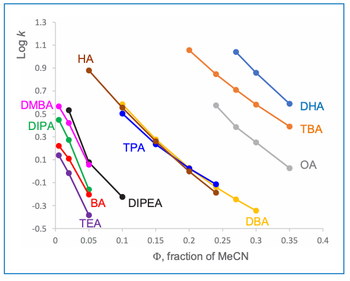
In this second installment of a multi-part series, we describe the principles of ion-pair reversed-phase high-performance liquid chromatography, discuss strategies for method development, and provide practical tips for robust liquid chromatography analyses of oligonucleotide mixtures.

This article explores advanced oligonucleotide analysis techniques, including chromatography methods for therapeutic RNA, siRNA, and mRNA, enhancing nucleic acid research.

A column with chemically modified column hardware showed improvements in analytical performance for siRNA compared to a conventional stainless-steel column.
Published: June 10th 2026 | Updated: June 16th 2026
Published: June 10th 2026 | Updated: June 16th 2026