Columns | Column: Perspectives in Modern HPLC

Why are Most Drugs Basic: Implications in Pharmaceutical Testing by HPLC

Published: | Updated:

Michael Dong explains why basic drugs dominate modern therapeutics, drawing on principles of receptor binding, membrane permeability, and formulation science, and traces the evolution of silica‑based HPLC technology, from metal‑contaminated Type A silica to high‑purity Type B silica and modern hybrid or surface‑modified materials.
Abstract futuristic healthcare or medical technology innovation digital background. Science and technology concepts. Generated with AI. | Image Credit: © printartist - stock.adobe.com.

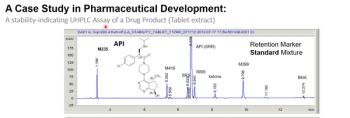
This paper describes the content of a well-written analytical procedure for regulated high-performance liquid chromatography (HPLC) testing. A stability-indicating HPLC assay for a drug product illustrates the required components for regulatory compliance, including additional parameters to expedite a laboratory analyst’s execution.

Here we provide an overview of the fundamentals and best practices on the development of stability-indicating HPLC methods for drug substances and products. We explain both traditional and easier modern approaches to developing stability-indicating HPLC methods—including using a universal generic method for new chemical entities—and address regulatory considerations and life cycle management strategies.

LCGC North America

Determining product shelf life is a regulatory requirement for pharmaceuticals and many other regulated consumer products. In this comprehensive overview of stability studies and testing, we summarize current regulatory requirements, share industry practices for forced degradation, and explain approaches for reduced testing and data evaluation to expedite stability study timelines.