Columns | The LCGC Blog

This month we take a look at the important topic of buffer choice for HPLC separations, how to the choose the correct buffer type and concentration as well as how to avoid variability in retention and selectivity.

The nature of retention time changes in HPLC tends to fall into categories. Firstly, the retention time may "drift" over several injections or several analytical campaigns and secondly, the retention time may suddenly "jump to a different value between injections or between analytical campaigns (i.e. analyte retention times are very different to when that method was run last).

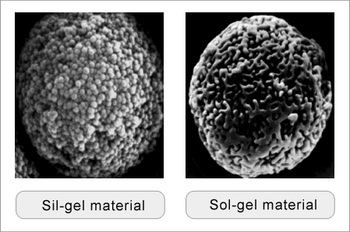
tech-tip-gel01-814278-1408537442184.jpg

The physical characteristics of silica-based HPLC columns can affect the performance of the separation almost as much as the bonded phase. This month's technical tip re-visits some of the lesser known or remembered facts relating to silica particles used for chromatography.

Oceanographers have extremely challenging analysis problems to overcome. Can analytical chemists help? The Collaborative on Oceanographic Chemical Analysis workshop, sponsored by the National Science Foundation, connects scientists in these two fields to exchange ideas. And that is good, because the needs are great. Kevin Schug takes a look at where that collaboration might lead.

A number of retention time issues can cause problems in HPLC. Here's advice on how to handle common ones, such as retention time drift, temperature variability, problems arising from column equilibration, and difficulties validating a method.

Derivatization of the analytes targeted in an HPLC-ESI-MS separation can help improve detection limits.

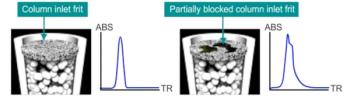
Q2-803440-1408546121792.jpg

The LCGC Blog

In this months technical tip we answer some often asked questions and dispel some myths regarding HPLC column abuse and reconditioning

In this months technical tip we answer some often asked questions and dispel some myths regarding HPLC column abuse and reconditioning