
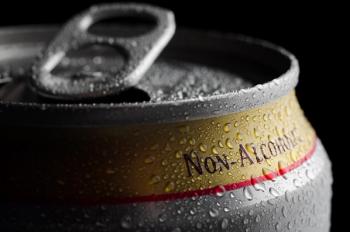
Gas chromatography (GC) tests show spoilage yeasts alter flavor and raise alcohol in NoLo beer.
This week, LCGC International published a variety of articles on hot topics in separation science. From several interviews around the role chromatography is playing in forensic analysis to using multidimensional liquid chromatography (LC) in the development of a new Python tool, we’ve highlighted some of the most popular articles that were published this week.
Nitazene analogs, which are highly potent synthetic opioids with fentanyl-like effects, present an increasing forensic challenge as new variants continue to emerge. In an interview with LCGC International, J. Tyler Davidson of Sam Houston State University discussed his recent study using liquid chromatography–electrospray ionization–tandem mass spectrometry (LC–ESI–MS/MS) to structurally characterize 38 nitazene analogs (1). Davidson identified diagnostic fragmentation patterns, including common ions (m/z 100, 72, 44, 107) and distinctive ions from unique ring structures (m/z 112, 98) (1). His findings provide a framework for differentiating nitazene analogs, offering forensic laboratories valuable tools for identifying both known and novel opioids (1).
Petr Vozka of California State University, Los Angeles, discussed with LCGC International chemical profiling of fingerprints offers a new forensic dimension beyond traditional ridge pattern matching. His team applies comprehensive two-dimensional gas chromatography with time-of-flight mass spectrometry (GC×GC–TOF-MS) to detect subtle, time-dependent chemical changes in fingerprint residues (2). Vozka explained how fingerprints evolve through evaporation, oxidative lipid degradation, and environmental interactions, producing dynamic chemical signatures. By coupling these insights with chemometric modeling, researchers can estimate fingerprint age and reconstruct timelines (2). Such models could provide crucial temporal context in forensic investigations, supporting suspect verification and expanding the evidentiary value of fingerprints (2).
In an interview with LCGC International, Noemi Procopio of the University of Central Lancashire discussed the development of Forens-OMICS, a novel approach to improve postmortem interval (PMI) estimation. Traditional PMI methods, such as body temperature or insect activity, are often unreliable, especially when only skeletal remains are present (3). Procopio’s team integrates proteomics, metabolomics, and metabarcoding to track molecular and microbial changes after death (3). Metabolites provide insight over short timeframes, proteins and lipids persist longer, and microbes are informative throughout decomposition. By combining these complementary methods, Forens-OMICS aims to deliver more precise, quantitative, and objective PMI estimates, offering greater reliability for forensic investigations (3).
Kenneth G. Furton, PhD., provost and professor at Florida International University, is a leading innovator in forensic detection technologies, especially human scent identification, with eight U.S. patents and over 800 publications. As a fellow of the National Academy of Inventors and the American Academy of Forensic Sciences, he also directs work at FIU’s Global Forensic and Justice Center, a multidisciplinary hub for forensic science and policy (4). In an interview with LCGC International, Furton highlighted the advantages of solid-phase microextraction coupled with gas chromatography–mass spectrometry (SPME-GC–MS) for environmental forensics, noting its speed, cleaner extractions, and improved ability to fingerprint crude oil sources (4).
In an interview with LCGC International, Soraya Chapel discussed her team’s systematic study of orthogonality in two-dimensional liquid chromatography (LC×LC) and the development of a new open-source Python tool. By testing 176 compounds across 38 conditions, they evaluated how chromatographic mode, stationary phase, mobile phase composition, and pH shape separation complementarity (5). Results showed that pH changes and chromatographic pairings had the strongest impact on orthogonality, with metabolites spreading more evenly under large pH shifts or HILIC/RPLC pairings (5). The tool enables reproducible scoring, handles missing values, and is broadly adaptable, helping researchers streamline LC×LC method development across diverse applications.






