Characterizing GLP-1 Therapeutics: Analytical Challenges and Solutions NA
Semaglutide and tirzepatide are now household names, but behind every dose sits an analytical problem that small-molecule thinking can’t solve. Isomers share a mass, impurities hide in the tail of the main peak, and peptides cling to tubing, vials, and column hardware. Characterizing GLP-1 Therapeutics: Analytical Challenges and Solutions explores how separation scientists are responding. An expert Peer Exchange panel weighs up orthogonal methods, 2D-LC, inert hardware, and the role of AI in peptide method development. We trace the peptide revolution from Gila monster venom to a global surge in manufacturing capacity. And a new isocratic HPLC–DAD method shows that stability testing for both blockbuster peptides can be done in just three minutes.
Gas chromatography– (GC) and liquid chromatography–high-resolution mass spectrometry (LC–HRMS) reveal which laboratory consumables leach most plastic additives.
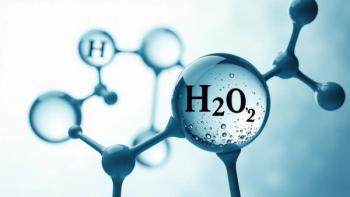
This week's Chromatography Online stories cover the promise and hurdles of sub-1 µm LC columns, Vanessa Abercrombie's career lessons, chemometric studies of mead, USP <665> extractables for antibody–drug conjugates, and new LC–MS and HPLC work on hydrogen peroxide, cancer proteomics, atropine contact lenses, and stevia.
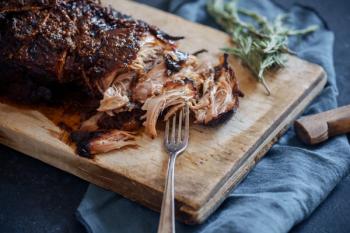
Gas chromatography–mass spectrometry (GC–MS) and high-performance liquid chromatography (HPLC) show native Chinese pork has richer flavor, healthier fats.
Bin Sun of Cytiva explains his study testing whether USP <665> 50% ethanol extractables data covers DMA and DMSO in antibody–drug conjugate processing.