John Yates’ lab is using MOBILion’s Parallel Accumulation Mobility Aligned Fragmentation (PAMAF) technology to enhance the DeGlyPHER workflow, which enables detailed, site-specific analysis of N-glycosylation in viral spike proteins such as SARS-CoV-2. This method combines sequential deglycosylation with high-sensitivity LC-MS to quantify glycan occupancy and processing, offering insights into the relationship between glycosylation and immune response. DeGlyPHER has been applied to over 200 vaccine candidates, including those for HIV, influenza, and Ebola, advancing understanding of glycoprotein-based immunogen design. This executive summary explains how DeGlyPHER is transforming vaccine development in real time, driving progress toward more effective and consistent immunization strategies, and delivering a more sensitive and high-throughput approach compared to traditional glycoproteomic methods.
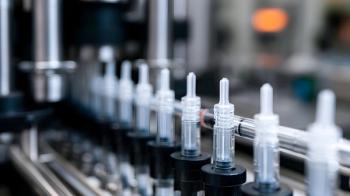
Gas chromatography– (GC) and liquid chromatography–high-resolution mass spectrometry (LC–HRMS) reveal which laboratory consumables leach most plastic additives.
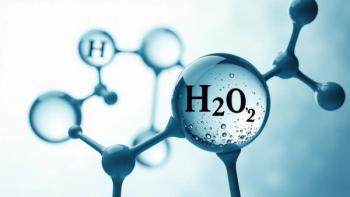
This week's Chromatography Online stories cover the promise and hurdles of sub-1 µm LC columns, Vanessa Abercrombie's career lessons, chemometric studies of mead, USP <665> extractables for antibody–drug conjugates, and new LC–MS and HPLC work on hydrogen peroxide, cancer proteomics, atropine contact lenses, and stevia.
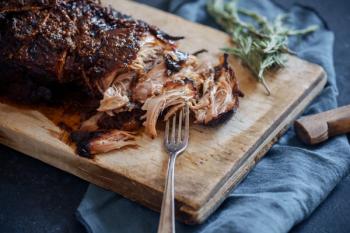
Gas chromatography–mass spectrometry (GC–MS) and high-performance liquid chromatography (HPLC) show native Chinese pork has richer flavor, healthier fats.
Bin Sun of Cytiva explains his study testing whether USP <665> 50% ethanol extractables data covers DMA and DMSO in antibody–drug conjugate processing.