This study shows how GC–MS performance for the sampling of aroma compounds and off-odours in beverages can be enhanced by using techniques incorporating trap-based preconcentration. The first part of the study focuses on SPME, and how trapping and enrichment can improve peak symmetry, qualitative analysis and sensitivity. The second part of the study compares these methods against automated robe-based high-capacity sorptive extraction, which as well as being operationally robust, ffers improved recovery for higher-boiling compounds and an extended analyte range.
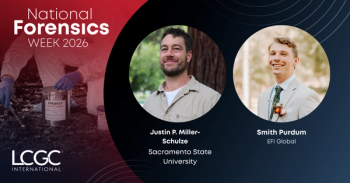
Justin Miller-Schulze and Smith Purdum explain how machine learning and chemometrics can improve fire debris classification in forensic science applications.
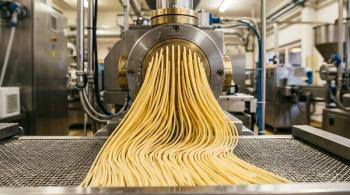
This week, the Chromatography Online website observed National Forensic Science Week with expert interviews on how chromatography helps solve cases, plus career stories from women in analytical science and new research on detecting rat poison in cats and tracking mold toxins in gluten-free pasta.
Kinjal Bhatt argues inclusion advocacy shouldn't fall on women alone, while Ina Varfaj credits sharing the load and learning to say no for avoiding burnout.
Steven Ray Wilson defines organ-on-a-chip as organoids on microfluidic devices, tracing their small, complex samples to the case for automated online LC–MS.