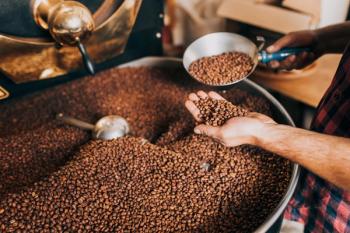
Liquid chromatography–tandem mass spectrometry (LC–MS/MS) finds low glyphosate residues of the weedkiller glyphosate in coffee beans.
Gas chromatography-mass spectrometry (GC-MS) and high-resolution metabolomics (HRMs) reveal how ergot alkaloids disrupt steer metabolism.
Fescue toxicosis (FT) is a condition that occurs when livestock eat tall fescue grass infected with the fungus Epichloë coenophiala which produces harmful substances known as ergot alkaloids (EAs). While these substances primarily affect the blood vessels, their chemical properties can also trigger a broader range of effects throughout the body. A joint study conducted by researchers from the University of Georgia (Athens, Georgia), Mississippi State University (Mississippi State, Mississippi), Emory University (Atlanta, Georgia) and the University of Wisconsin (Madison, Wisconsin)used advanced chemical analysis techniques to study how EAs disrupt the body chemistry of steers grazing on infected tall fescue grass, including a closer look at specific fatty acids produced during digestion. Untargeted high-resolution metabolomics (HRM) was performed on liquid matrices, and gas chromatography-mass spectrometry (GC-MS) was used to measure the fatty acids in both the rumen fluid (the liquid from the cow's first stomach compartment) and fecal samples. A paper based on their efforts was published in Frontiers in Veterinary Science.1
What is Fescue Toxicosis?
Epichloë coenophiala and tall fescue grass have a mutually beneficial relationship; the fungus helps the grass survive environmental challenges and resist pests by producing certain chemical compounds.2 While many of these compounds help the grass thrive, EAs in particular are harmful to animals, causing FT, one of the most serious and damaging conditions seen in grazing livestock.3,4 FT causes cattle to gain less weight, produce less milk, have lower conception rates, and struggle to regulate their body temperature in the heat. The resulting loss in productivity is estimated to cost beef farmers more than $600 million every year.5
How Does Grazing on Toxic Fescue Grass Affect the Body Chemistry of Steers?
For this study, 18 steers were divided into groups and grazed on different types of fescue pastures — one containing the toxic fungus, one containing a newer variety, and one completely free of the fungus. After 14 days, the groups were switched so that those previously on toxic grass moved to clean pasture and vice versa. Throughout the study, researchers collected urine, saliva, blood, rumen fluid, and fecal samples from the animals. These samples were then analyzed using the HRM and GC-MS techniques.1
The researchers found that grazing on infected grass clearly disrupted the body chemistry of steers, shifting their energy use away from fat and toward protein and carbohydrates. Once removed from the infected pasture, their body chemistry returned to normal quickly with no lasting effects. The harmful fungal compounds were largely broken down by the body, and the activation of certain biological pathways during exposure may help explain the broader health problems associated with fescue toxicosis.1
“These findings,” write the authors of the paper,1 “emphasize the importance of investigating both the direct effects of simple alkaloids and the contribution of microbial-derived metabolites to the development of FT.”
Read More on Similar Topics
References