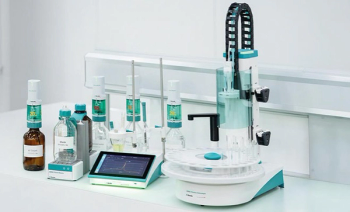
Malte Hübschen of the University of Duisburg-Essen (Germany) discusses an automated gas chromatography-tandem mass spectrometry (GC-MS/MS) workflow that improves phthalate detection in tricky oils with LCGC International.
Seven eco-friendliness tools rate 30 high-performance liquid chromatography (HPLC) methods for testing atorvastatin.
Researchers at the Department of Pharmaceutical Quality Assurance at the SSR College of Pharmacy (Silvassa, India) took a close look at thirty published high-performance liquid chromatography (HPLC) methods used to measure atorvastatin, checking how "green" they really are by running them through seven different eco-friendliness scoring tools: HEXAGON, AMVI, ChlorTox, RGBfast, MoGAPI, AGREE, and the Eco-Scale. It also brings in a "white chemistry" tool called BAGI to judge how practical and applicable each method is, plus a "redness" tool called RAPI to flag the less favorable aspects.Together, these tools help paint a full picture of each method's environmental footprint, covering things like how much solvent it uses, how toxic it is, how much energy it burns, how much waste it produces, and how practical it is to use in a laboratory. A paper based on this work was published in the journal Analytica Chimica Acta.1
Atorvastatin is a cholesterol-lowering drug (part of the statin family) that's widely used to help manage high cholesterol and prevent heart disease—one of the top health threats around the world.2Atorvastatin works by blocking a key enzyme the body uses to make cholesterol. This helps lower "bad" cholesterol (LDL) while also giving a boost to "good" cholesterol (HDL).3By tackling both sides of the cholesterol equation, atorvastatin helps correct unhealthy cholesterol levels and reduces the chances of artery-clogging plaque buildup, both instrumental in lowering the overall risk of heart disease.4
“Going green” has become a big priority for the pharmaceutical industry recently, as companies face growing pressure to cut their environmental impact and adopt eco-friendlier practices. One key piece of this puzzle is analytical testing (especially HPLC) which drug makers rely on constantly to check quality and meet regulatory standards.5The challenge is that most of the HPLC methods used to test atorvastatin rely on harsh chemical solvents such as acetonitrile, methanol, and tetrahydrofuran,which can be toxic and take a toll on the environment.6
The research revealed that solvent use varied greatly between methods; some used as little as 50 mL per component, while others used up to 315 mL, showing big differences in how much solvent each one needs. Toxicity levels also swung widely, with scores ranging from nearly negligible (0.006929) to much higher (0.499461), depending on which solvents were used.1
When it came to overall "greenness," the AGREE tool gave scores between 0.54 and 0.72, and the Eco-Scale rated some methods as high as 87 out of 100, which the reporters believe were solid marks for a few standout methods. Most methods landed in the "moderately green" range on the MoGAPI scale (64–77).1
In terms of how practical these methods are for everyday laboratory use, BAGI scores ranged from 65 to 82.5, meaning most methods are reasonably to very usable in routine work. Meanwhile, RAPI scores, which reflect how well-validated and reliable the methods are, ranged widely from 22.5 to 77.5, so quality varied from fairly weak to quite strong. The RGBfast tool added more detail, pointing out differences in efficiency, environmental friendliness, and everyday usability across the methods.1
Bottom line: the greenest, best-performing methods were the ones that used less solvent, picked safer or less toxic solvents, and still delivered strong results. On the flip side, methods that relied on larger amounts of harsher solvents came with a bigger environmental cost.1
“The study,” write the authors of the paper,1 “highlights the importance of integrating multiple greenness tools to guide the development and selection of environmentally sustainable analytical methods.”
Read More on Similar Topics
References