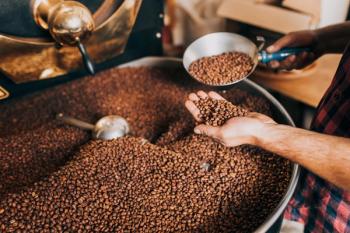
Liquid chromatography–tandem mass spectrometry (LC–MS/MS) finds low glyphosate residues of the weedkiller glyphosate in coffee beans.
Ion-exchange chromatography (IEC) revealed tree species-driven differences in soil carbon and microbial life.
The type of trees growing in an area can significantly influence the chemistry and microbial life of the soil beneath them, both of which play important roles in how soil develops over time. Researchers compared soils found under native European beech trees and non-native Norway spruce trees growing side by side at the same location. The goal was to understand how each tree species shapes soil chemistry and microbial communities, and how these differences affect the amount and nature of carbon stored in the soil at different depths. A range of measurements were taken, including soil acidity, nutrient levels, and the presence of small carbon-containing molecules in the soil water, using ion-exchange chromatography (IEC). A paper based on this work was published in PLOS One.1
Why Does Replacing Beech Forests with Spruce Plantations Matter for Soil Health and Carbon Cycling?
European beech forests are the dominant forest type at mid-elevations across Central Europe. Over the past two centuries, however, these natural beech forests have been progressively replaced by Norway spruce plantations to boost timber production, significantly changing the character of forest ecosystems in the region. One notable consequence has been a drop in soil acidity levels beneath spruce trees, largely driven by the acidic nature of decomposing spruce needles.2 This acidification was made worse by airborne pollutants settling on the soil over time. As a result, the health and vigor of spruce trees have declined, raising concerns about how spruce forests affect the way carbon moves through the environment, a particularly pressing issue given the challenges posed by climate change.3
What Did the Study Find About How Beech and Spruce Trees Differently Affect Soil Chemistry, Microbial Communities, and Carbon Storage?
The soil under beech trees (classified by the researchers as Dystric Cambisol, a type of young, developing soil characterized by the early stages of profile alteration) was found to be a different type than the soil under spruce trees (classified by the researchers as Entic Podzol, a type of soil that is in the early or incomplete stages of a process called podzolization; essentially, it has begun developing the characteristic layers associated with podzol soils, but those layers are either not yet fully formed or are found deeper in the ground than usual). According to the researchers, this reflects distinct developmental processes driven by each species. The abundance and variety of microbial life in the soil were assessed using genetic sequencing techniques. While the total amount of carbon stored in the soil was similar under both tree types, the form it took and how it was distributed through the soil layers differed noticeably. The soil under spruce showed signs of a more advanced soil transformation process, indicated by the buildup of certain minerals, which was not observed under beech. The different soil conditions and carbon sources under each tree type supported distinctly different communities of microorganisms. The more neutral and nutrient-rich conditions under beech favored certain types of bacteria, particularly in the uppermost soil layer. Spruce soils, on the other hand, were richer in fungi and a different group of bacteria better suited to breaking down tougher organic materials. There were also signs of a more competitive microbial environment under spruce. The influence of tree species on soil properties was evident throughout the soil profile but became less pronounced deeper down.1
“Overall,” report the authors of the paper,1 “differences in soil chemistry, microbial communities, and enzymatic activities reflect contrasting decomposition and carbon sequestration pathways, with implications for ecosystem resilience and microbial diversity.”
That said, the research team reminds us that their findings come from a single location, which limits how broadly they can be applied. Further research across a greater variety of sites, in their opinion, would therefore be valuable in building a clearer and more reliable understanding of the relationship between soil microbial communities and carbon cycling, which would in turn help inform better land management decisions.1
Read More on Similar Topics
References