Liquid chromatography–mass spectrometry (LC–MS) was used to determine if there is a link between artificial sweeteners and breast cancer.
Liquid chromatography-mass spectrometry (LC-MS) measures gut fatty acids in blueberry study on older-adult mood.
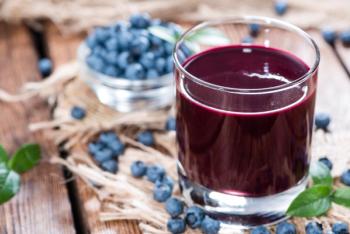
Blueberries are rich in fiber and antioxidant compounds called anthocyanins, both of which may be able to influence the mix of bacteria living in the gut, as well as certain byproducts these bacteria produce, some of which may play a role in depression in older adults. With that in mind, researchers set out to take an early look at whether eating blueberries could shift gut bacteria, change these related byproducts, and ease depressive symptoms. To help measure this, they used liquid chromatography-mass spectrometry (LC-MS) to track short-chain fatty acids in stool samples. A paper based on this research was published in the Journal of Nutrition, Health, and Aging.1
Why Might Blueberries, Through Their Effects on the Gut Microbiome, Be a Promising Dietary Approach for Addressing Depression in Older Adults?
Somewhere between 8% and 16% of older adults living independently in the community experience depressive symptoms serious enough to matter clinically. Interestingly, evidence suggests that milder, "below the radar" levels of depression (not quite severe enough to be classified as major depression) are two to three times more common in this age group than full-blown depression itself.2,3
One promising approach for tackling depression in older adults involves changing what people eat to shift the balance of bacteria living in their gut. The gut is home to trillions of bacteria, and these bacteria have a direct effect on a person's overall health and well-being. As these bacteria break down food, they produce byproducts that can either get absorbed into the bloodstream or send signals directly to the nerves that run through and connect to the gut.4,5
Both dietary fiber and anthocyanins (natural antioxidant compounds) interact directly with the bacteria living in the gut.6,7 When gut bacteria break these compounds down, it actually helps shape which bacteria thrive and how many of them are present, as well as what byproducts they produce, including short-chain fatty acids and substances related to brain-signaling chemicals.8 Since blueberries are naturally rich in both fiber and anthocyanins, the researchers suggest they could be a simple, practical way to influence gut bacteria, the byproducts they create, and potentially even mood.1
“Our objective,” wrote the authors of the paper,1 “was to pilot test a freeze-dried blueberry powder intervention for its preliminary effect on the gut microbiota, markers of gut-metabolites, and depressive symptoms in a population of older adults with mild levels of depressive symptoms or subthreshold depression. We hypothesized that blueberry intake would modulate the gut microbiome, increase gut-derived SCFA metabolites, and reduce depressive symptoms.
How Did Daily Blueberry Consumption Affect the Gut Microbiome and Depression in Older Adults?
The researchers recruited older adults (65 and older) who did not get much exercise and were experiencing mild symptoms of depression for their pilot study. Participants were randomly split into two groups, and neither the participants nor the researchers knew who was getting what (a setup designed to prevent bias). One group ate about 48 grams of blueberry powder a day (roughly the equivalent of two cups of fresh blueberries) while the other group were given a placebo, for three months.1
To see what effect this had, in addition to using LC-MS to measure the short-chain fatty acids, the researchers used genetic sequencing to track which bacteria species and genes were present in participants' stool samples, and had participants fill out standard, well-validated questionnaires to assess their depressive symptoms before and after the three-month period.1
In the end, 18 people completed the full study, mostly women, and mostly white participants. Eight were in the placebo group (average age 75), and 10 were in the blueberry group (average age 71).1
Overall, the study did not find any significant changes in the general makeup of gut bacteria, the broader biological pathways those bacteria use, or the byproducts they produce. However, the researchers did find one notable exception: in the blueberry group, there were meaningful changes in the activity of several specific bacterial genes, including one connected to a protein that plays a role in producing GABA, a calming neurotransmitter in the brain that has been linked to mood regulation.1
“While there were no statistically significant differences in changes in depressive symptoms between groups,” write the authors of the paper,1 “the magnitude of reduction in depressive symptom severity appeared greater, with smaller variability in the Blueberry Group, which was paired with minor changes in the gut microbial ECs. Our data are preliminary and warrant additional studies to investigate the link between blueberries, the gut-microbiome, and mood in older adults.”
Read More on Similar Topics
References