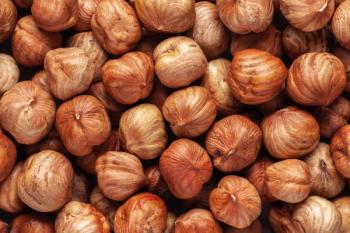
A two-dimensional gas chromatography (GC×GC) study of 43 volatiles shows hexanal alone cannot gauge hazelnut aging.
Nestled on the shores of Lake Constance at the intersection of Germany, Austria, and Switzerland, Lindau is a picturesque Bavarian island with fewer than 30,000 full-time residents. However, for one week each summer, its population grows by more than 600 young scientists and a small cohort of Nobel Laureates. The town’s energy transforms from that of a small, sleepy island into a vibrant international hub. The quiet cobblestone streets bustle with young minds sightseeing and soaking in the summer air. Research discussions flow in dozens of languages at the lakefront cafés and beer gardens. Everywhere you go there’s a palpable sense of anticipation. Everyone is eager to learn, exchange ideas, and, just maybe, meet a Nobel Laureate they’ve only ever read about in flashy interview pieces. This summer, I was fortunate enough to be one of the young scientists hoping to be invigorated by the combination of beautiful location and breadth of knowledge and ideas.
The 74th Lindau Nobel Laureate Meeting was unlike any conference I had attended before. It was a strange relief not to worry about last-minute changes to my slides or whether my poster tube had survived the 12-hour journey. Instead, I could fully immerse myself in the conference experience. The program was packed with Nobel Laureate lectures, guided discussions, and intimate Q&A sessions. There were also countless opportunities to connect with fellow young scientists, learn about their research experiences, and hear stories about their home laboratories, universities, and countries. Every day pushed me beyond my comfort zone of chromatography, forcing me to think about and open my eyes to entirely new areas of chemistry.
The scientific program focused on three themes: artificial intelligence (AI), sustainability, and science advocacy. In this post, I want to share some reflections on each of these themes.
Central to this year’s Lindau Meeting was a short question with seemingly endless answers: “How is AI changing the game in chemistry?” The ability of AI to transform disciplines is now becoming undeniable. Many of us interact with AI in daily life, whether through virtual assistants like Siri or Alexa, or in cars equipped with self-driving features. As those of us working at universities can attest, ChatGPT and other large language models have become commonplace in the classroom. Most notably in the sciences, the 2024 Nobel Prize in Chemistry recognized how AI can advance protein structure predictability.
The sessions I attended helped me reflect on how AI is already impacting my home discipline of chromatography. Current literature is showing how AI can optimize chromatographic methods, predict retention times, and improve peak detection.
Looking ahead, I can easily foresee AI methods providing real-time monitoring and control of chromatographic systems, from fine-tuning gradients and flow rates to fully automated troubleshooting. Such advances could transform chromatography into a more seamless approach, enabling experimentalists to devote their time to higher-level interpretation and discovery.
This year’s Lindau Meeting also focused on the topic of green chemistry, which aims to reduce (or eliminate) hazardous materials from chemical processes. At the conference, Nobel Laureates shared insights from their research on designing sustainable batteries. I also spoke with students who were exploring innovative approaches to improve solvent sustainability in organic synthesis reactions and chemically recycle plastics.
I have already seen green chemistry working its way into chromatography. For example, gas chromatography (GC) traditionally relies on helium as a carrier gas, but with global supplies dwindling, it is becoming more urgent than ever to explore alternatives. In liquid chromatography (LC), sustainability can be advanced by adopting greener mobile phases or by using capillary-scale columns to reduce overall solvent consumption. Continuing these efforts could help make our discipline a cornerstone of a future where discovery is pursued responsibly, sustainably, and with global impact in mind.
Amid all the groundbreaking research presented at this year’s Nobel Laureate Meeting, my take-home message was the urgent need for science advocacy.
As scientists, we find ourselves in unprecedented times, navigating challenges that often feel like a fight for survival. I have witnessed colleagues face sudden grant cuts, and in some cases, the devastating loss of their research position outright. It can be easy to feel powerless and as though there is little we can do to make a difference. However, as Francis Arnold (2018 Nobel Prize in Chemistry) reminded us in her opening address: “When the freedom of science is threatened, we cannot stay silent.”
Though we often rely on our research to speak for itself, now is the time for us scientists to step out from behind the lab bench. Engaging in science is ultimately an act of diplomacy, one that transcends political and cultural boundaries. In these challenging times, we need to unite with our colleagues from other disciplines and share with our friends, neighbors, and policymakers the joy of doing science and societal value it brings to our communities.
The overarching motto for the Nobel Laureate Meetings is “Educate. Inspire. Connect.” During my week in Lindau, I not only learned about the groundbreaking research behind Nobel Prize awards but was inspired by and connected with a global community of young chemists.
As I boarded my train back to Munich, I carried with me a renewed sense of curiosity, strengthened sense of purpose, and commitment to a future where scientific discovery thrives. I hope this blog inspires you to reflect on how AI and sustainable practices can be integrated into your chromatographic work. But above all, my greatest hope is that we can work together to defend scientific research and expand its access to everyone.