

Kate Mosford
Advertisement
Articles by Kate Mosford

The Column
A team of researchers at the University of Huddersfield, UK, has investigated the potential of okra for emulsification of certain food products using size-exclusion chromatography (SEC) and fourier transform infrared (FTIR) spectroscopy.1 Okra is a flowering plant and originates from Africa. Okra pectins are acidic, random coil polysaccharides composed of galactose, rhamnose, and galacturonic acid. Pectins are used in the food industry for their gelling, stabilizing, and thickening properties. Okra pectins differ quite substantially from those extracted from apple, citrus, and beet in terms of protein and acetyl contents, indicating their greater hydrophobicity and suggesting that pectin derived from okra can be used as an effective emulsifying agent.?

The Column
Dr Kevin Cooper of the Institute for Global Food Security at Queen's University Belfast, Northern Ireland, spoke to Kate Mosford of The Column about the importance of accuracy, reliability, and stability in food safety analysis and the role of ultrahigh-pressure liquid chromatography tandem mass spectrometry (UHPLC–MS–MS) in his research.

The Column
Kate Mosford of The Column spoke to Giorgia Purcaro of the Department of Food Science at the University of Udine, Italy, and Chiara Cordero of the Department of Drug Science and Technology at the University of Turin, Italy, about the sensory evaluation of olive oil and the benefits of a comprehensive approach.
The Column
Dr Sastia Prama Putri of Osaka University, Japan, spoke to Kate Mosford of The Column about advances in metabolomics, the need for authentication of high value food products, and the important role of GC–MS in food analysis.

The Column
A team of scientists based in the US has used solid–phase microextraction (SPME) and gas chromatography–mass spectrometry (GC–MS) to provide the first analysis of volatile organic compounds (VOCs) present in human earwax (cerumen).1
The Column
Researcher Christina Agapakis from the University of California, Los Angeles, USA, has come up with an unusual way of making cheese by taking bacteria from various parts of the human body and analyzing the odour of each cheese produced using headspace gas chromatography?mass spectrometry (GC?MS).
The Column
Is "green foodomics" another buzzword or a new direction in food analysis?
The Column
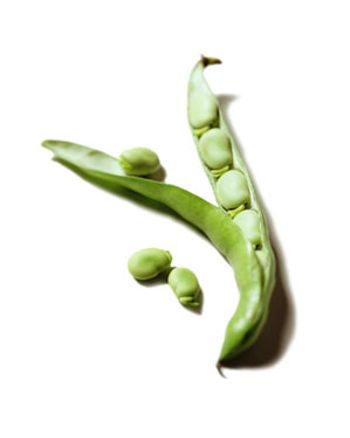
Fava beans are a good source of polyphenols and are located in different parts of the plant. Phenolic compounds are thought to contribute to the overall antioxidant activities of plant foods. However, there is a lack of information on the phenolic composition of the seeds (beans) of some edible varieties. This has led a team of researchers based in Chile and Spain to use high performance liquid chromatography (HPLC) to identify the composition of a variety of immature fava seeds.1
Advertisement
Advertisement
Advertisement
Trending on LCGC International
1
LC–MS Probes Link Between Artificial Sweeteners and Breast Cancer
2
Prioritizing Unknowns in Nontarget Screening of Food Samples
3
Conversations with Michael Dong: Buffers for Mobile Phase A in Pharmaceutical Analysis
4
AI ML Now: Gert Desmet on the State of Artificial Intelligence and Machine Learning in Separation Science
5