LCGC North America-10-01-2015

HPLC-figure4_web.jpg

LCGC North America

The third installment in this series provides an overview of modern practices of separation science in small-molecule drug development. It highlights approaches in HPLC method development and physical/chemical characterization to support process chemistry and formulation development, and for assessment/control of the clinical trial materials. The role of the separation scientist in analytical development and salient chromatographic methodology trends are discussed.
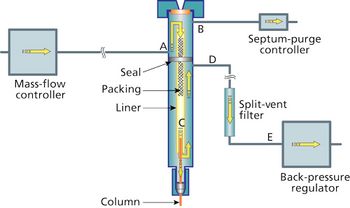
Figure-1_web.jpg

LCGC North America

In GC split injection systems as much as 99% or more of the injected sample never enters the column: It is released downstream of the inlet where it can encounter and possibly perturb precision gas control devices. The split vent trap acts to prevent or at least moderate such effects. This month's installment addresses the operation and maintenance of split-vent traps..  

LCGC North America

If sample preparation is the most time and labor intense step in the analytical process, and uses the largest amounts of solvents, it stands to reason that sample preparation may present the most significant safety risks in the analytical lab. While most laboratory workers receive significant safety training, we may become numb to the prospect of accidents or get into the mindset that accidents only happen to other people. Given some recent, significant safety incidents, this month we step back and take a quick refresher on safety concerns appropriate during our sample preparation activities.
