Comprehensive characterization of biotherapeutics requires advanced analytical strategies capable of detecting and identifying low-abundant product quality attributes (PQAs), including post-translational modifications, aggregates, sequence variants, and conjugation sites. This eBook presents three technical articles demonstrating advanced LC-MS workflows that achieve up to 10X improvement in MS sensitivity for trace-level detection and confident identification of these challenging attributes.
In this seventh part of " Conversations with Michael Dong," a series on fundamentals of HPLC in pharmaceutical analysis, LCGC International’s "Perspectives in HPLC" column editor explains why 2.1-mm i.d. columns are less preferred for pharmaceutical quality control.
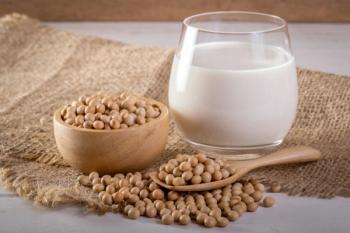
Ultrahigh-performance liquid chromatography–quadrupole time-of-flight mass spectrometry (UHPLC–QTOF-MS) shows how soaking and cooking break down soybean fats.
Nicolai Zederkopff explores chromatography’s role to help implement the maximum tolerable level (MTL) framework for food adulteration to translate analytical results into compliance decisions.
Franz Berthiller (BOKU University, Austria) discusses a multilaboratory study that used retention index markers to align mycotoxin liquid chromatography–mass spectrometry (LC–MS) data.
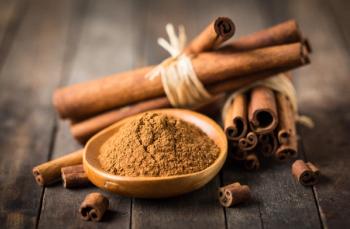
A QuEChERS/ultrahigh-performance liquid chromatography and high-resolution mass spectrometry (UHPLC-HRMS) method tracks 23 plant toxins in cereals and spices. Michele Suman discusses the method with LCGC International.