
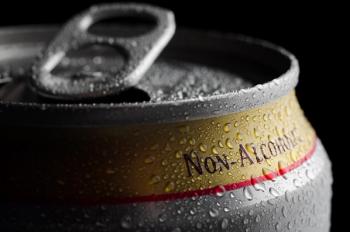
Gas chromatography (GC) tests show spoilage yeasts alter flavor and raise alcohol in NoLo beer.
Research conducted at the Federal University of Pelotas (Brazil) investigated the formulation of oleogels based on Butia seed oil and their potential as a replacement for hydrogenated fats in cookies. Gas chromatography (GC) was used to determine the fatty acid profile and identify and quantify volatile organic compounds (VOCs).
A recent study published in the journal Food Technology & Biotechnology (1) explored developing oleogels based on Butia seed oil and beeswax for use in cookies as a substitute for hydrogenated fat.
Hydrogenated fats are widely used to improve texture, flavor, and shelf life in processed foods. However, excessive consumption of hydrogenated fats contributes to cardiovascular diseases. Although Butia seed oil contains saturated fats, its potential as an alternative structuring lipid in food applications has been unexplored. Butia fruitis found in 20 species of trees in the South American countries of Brazil, Paraguay, and Uruguay, and it is widely consumed in its natural form and used in artisanal cuisine and production of liqueur (2). Its seed oil is known for being rich in lipids, with a fatty acid composition of approximately 76% saturated fatty acids (including caprylic, capric, lauric, myristic, palmitic and stearic acids) and 24% unsaturated fatty acids (such as oleic and linoleic acids) (3,4). Despite its rich lipid content, the processing of Butia seed oil has received limited attention in scientific research (1).
In their study, the researchers from the Federal University of Pelotas (Brazil)investigated whether Butia seed oil could be used to form healthier oleogels. Oleogels are three-dimensional (3D) network structures that are created through non-covalent interactions, which restrict the movement of liquid oil and form a solid fat (5). Oils such as canola, corn, soybean, sunflower, olive, palm, and walnut have previously been used in the production of oleogels (6–11), and they can also serve as a base and act as gelling agents in food systems, such as biscuits and other products, replacing other fats (1).
The research team analyzed the chemical composition, thermal properties and functional groups of Butia seed oil and beeswax, and they also characterized the lipid stability, oil binding capacity, gel stability, thermal properties and color parameters of the oleogels. The oleogels were then added to cookies as a substitute for hydrogenated vegetable fat. Mass loss, color, expansion factor, specific volume, and texture properties of the cookies were evaluated (1).
The research revealed that Butia seed oil had saturated fatty acids (22.87 mg/mL lauric and 22.45 mg/mL caprylic acid) and notably high concentrations of unsaturated fatty acids (oleic acid 33.21 mg/mL and linoleic acid 30.61 mg/mL). Oleogels containing 3–5% beeswax remained stable for 90 days. Increasing the beeswax mass fraction resulted in greater hardness of the oleogels (p < 0.05). Specifically, the oleogel with 5% beeswax had the highest oil binding capacity, reaching 99.9% (1). Cookies formulated with oleogel showed lower hardness and mass loss, as well as a higher specific volume than the control cookie (without oleogel). Notably, the use of oleogels did not alter the visual characteristics of the cookies, supporting their potential as a viable fat replacer in oven-baked products (1).
“These results,” write the authors of the paper (1), “suggest that oleogels containing Butia seed oil have the potential to replace hydrogenated vegetable fats in food products. This study shows that oleogels with Butia seed oil, particularly with beeswax mass fractions of 3–5%, can effectively replace hydrogenated vegetable fats in cookie formulations.”
The researchers also added that, unlike traditional structuring fats, these oleogels offer improved lipid profiles while maintaining desirable baking properties (1).
Read More on Similar Topics:
References






