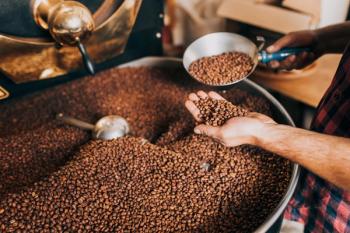
Liquid chromatography–tandem mass spectrometry (LC–MS/MS) finds low glyphosate residues of the weedkiller glyphosate in coffee beans.
Researchers at the Université de Montréal evaluating the pharmacokinetics and pharmacodynamics of a single oral dose of trazodone in laboratory rabbits determined plasma concentrations of the drug with high performance liquid chromatography-mass spectrometry (HPLC-MS).
Could a single oral dose of trazodone induce human-like therapeutic effects in rabbits? Researchers at the Université de Montréal (Saint-Hyacinthe, Canada) explored this question, hypothesizing that 20 mg·kg⁻¹ would achieve therapeutic plasma levels, boost resting behaviors, and curb activity. To address this, the researchers conducted a study aimed at characterizing the pharmacokinetics of a single oral dose of compounded trazodone and assessing its effects on behavior and activity using video analysis and accelerometry. Plasma concentrations of trazodone were measured via high-performance liquid chromatography–mass spectrometry (HPLC-MS). The findings were published in Veterinary Anaesthesia and Analgesia (1).
Rabbits (Oryctolagus cuniculus) are particularly sensitive to stress, which may induce physiopathological consequences, including increased heart and respiratory rates, myocardial damage, renal ischaemia, rabbit gastrointestinal syndrome, loss of appetite and decreased body temperature (2-4). Preoperative stress is believed to be a contributor to the high incidence of peri-anesthetic complications in rabbits; anesthesia-related mortality in rabbits is reported to be 1.39% (0.37% in healthy animals, 7.37% in sick animals) to 4.8%, and considerably higher than that in dogs and cats (0.69% and 0.63% respectively) (5-8).
Trazodone is an antidepressant widely used for both humans and in veterinary medicine. The clinical effects of the drug are dose dependent; at low doses (for humans, 25–150 mg), trazodone has a hypnotic effect due to antagonism at serotonin 5-HT1A and 5-HT2A receptors, H1 histaminergic receptors and ⍺1-adrenoceptors, but at higher doses (for humans, 150–600 mg), it inhibits serotonin reuptake and acts as a serotonin 5-HT2C and ⍺2-adrenoceptor antagonist (9). Trazodone is used to decrease fear and stress in dogs and cats during veterinary visits (10,11) and facilitates resting periods for horses (12).
For this study, auricular venous catheters were placed in six rabbits before oral trazodone (20 mg kg-1) administration. Blood was sampled immediately before and at 15 and 30 minutes and 1, 2, 4, 8, 12, 18, and 24 h after treatment, and trazodone plasma concentrations were determined HPLC-MS. A group of eight rabbits were equipped with accelerometers (activity) and video recorded. They randomly received one of three treatments: oral trazodone (20 mg kg-1; TRAZ), placebo (corn oil base; PLAC) or no treatment (CONTR) with a three-day washout period between treatments. Exploring, grooming, resting, vigilance, hiding and ingesting behaviors were evaluated for 10 hours (0-2, 2-4, 4-6, 6-8 and 8-10 hours (1).
The behavior observed indicated that trazodone-treated rabbits showed reduced activity, less hiding, and more resting (all behaviors associated with reduced stress) than PLAC,as well as decreased food intake 2-4 hours post-treatment (1).
However, the researchers admit to limitations to their research. For example, one subject was eventually excluded from the study due to failure in administering treatment, thus reducing the sample size. Secondly, subject behaviors were assessed at 5 min intervals using time-lapse videos, which are less precise than sampling without restriction and excluded short-term events, such as tremors or micromovements, which could be used to assess stress but may have been missed. Additionally, the grouping of activity and behavioral data into 2 h segments made precise correlations of behavioral changes with plasma trazodone concentrations impossible. Finally, the exclusive use of juvenile female New Zealand white rabbits in the study caused a limitation due to the fact that subjects of different sex, breeds, or ages might produce different results (1).
References