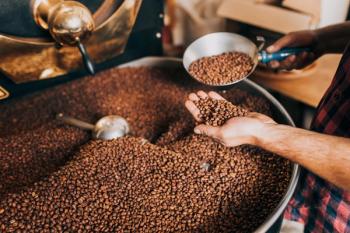
Liquid chromatography–tandem mass spectrometry (LC–MS/MS) finds low glyphosate residues of the weedkiller glyphosate in coffee beans.
Liquid chromatography-electrospray ionization-tandem mass spectrometry (LC-ESI-MS/MS) uncovers bat metabolomic clues to blood glucose regulation.
Current treatment options for diabetes remain limited, highlighting the pressing need to investigate new mechanisms for regulating blood glucose. Bats, notably, exhibit a wide range of dietary habits across species, making them a valuable model for studying how blood sugar is naturally regulated in the body. In a recent study, researchers tested how well five different bat species could process sugar. They gave the bats a glucose injection and then tracked how their blood sugar levels changed over time, using liquid chromatography-electrospray ionization-tandem mass spectrometry (LC-ESI-MS/MS) to measure this precisely. A paper based on this research was published in the journal Zoological Research.1
Why Does Diabetes Matter?
Diabetes is becoming more common. When blood sugar stays too high for too long, it can lead to serious health problems, including kidney failure, stroke, and vision loss.2,3According to 2021 data, around 537 million adults worldwide were living with diabetes. That number is expected to climb to 783 million by 2045, a jump of about 46%. To put that in perspective, that number is more than double the roughly 20% growth expected in the overall global population over that same period.4
Why Study Bats to Better Understand Diabetes?
Studying wild animals has taught us a great deal about human health, and it turns out that nature may hold some useful clues for new ways to manage blood sugar. Bats are a great example; as the only mammals that truly fly, and being active mainly at night, they have evolved a huge variety of diets. Depending on the species, bats might eat insects, fruit, nectar, pollen, or, in some cases, even blood or other small animals.5,6Earlier research into how fruit-eating bats manage to avoid blood sugar spikes has mostly looked at their behavior, biology, and genetics. For example, one study found that intense flying activity helped long-tongued fruit bats avoid sustained high blood sugar even after eating a lot of carbohydrate-rich food.7 That said, research into how fruit-eating bats (and wild animals more generally) manage blood sugar is still pretty limited overall.8
What Did the Study Find, and What Did the Researchers Measure to Come to Their Conclusion?
Three of the species of bat used in the study eat mostly fruit or nectar (both of which are high in sugar, so the researchers grouped them together as "frugivorous" bats), while the other two species mainly eat insects. Using their laboratory technique, the researchers measured 704 known substances in the bats' blood. They found that after the sugar injection, fruit- and nectar-eating bats had noticeably higher levels of amino acid-related substances than the insect-eating bats. This included several types tied to amino acid processing, particularly pathways involving alanine, arginine, and certain unusual amino acid forms. The researchers also looked at substances linked to the gut-brain connection, such as neurotransmitters, bile acids, and short-chain fatty acids, and found that these varied a lot depending on species and diet. Fruit- and nectar-eating bats had higher levels of neurotransmitters and short-chain fatty acids, both of which are linked to insulin regulation, while insect-eating bats tended to have higher levels of bile acid-related substances.1
“Overall,” write the authors of the paper,1 “this study provides theoretical insights into the metabolic adaptations of frugivorous bats and the glucose-response strategies of insectivorous bats, offering new perspectives on metabolite-based therapeutic approaches to diabetes.”
Read More on Similar Topics
References