


|Podcasts|December 3, 2021
Potency Testing in Baked goods, Candies, Beverages, and Topicals...who said that it had to be painful??!!
Author(s)Agilent Technologies, Inc.
Finally, something that works! Find out how to get great testing results when quantifying cannabinoids in edibles. In this podcast, we will share simple extraction procedures to generate cleaner samples with the very best accuracy. If you are tired of clogging your LC columns and getting strange results, this podcast is for you.
Episodes in this series





Related to this article
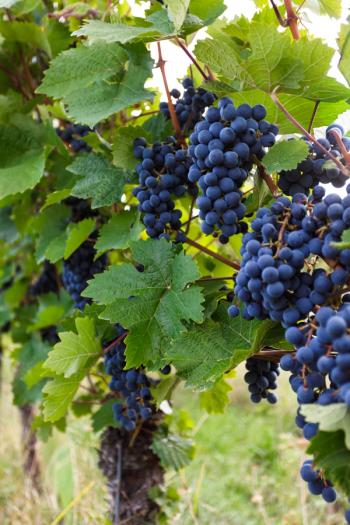
Liquid chromatography-mass spectrometry (LC-MS) profiling reveals chemical diversity across grapevine varieties.

Liquid chromatography-mass spectrometry (LC-MS) and nuclear magnetic resonance (NMR) link perinatal factors to infant urinary metabolite changes.

This LCGC Blog installment explains how NIST categorizes and certifies reference materials, and why they underpin reliable results in science and medicine.

Comparing manual and automated N-glycan profiling of a trastuzumab biosimilar, researchers found that both workflows detected the same glycan types, but automation gave more reproducible results (mean CV of about 5.7% vs. 7.95%), making it better suited to high-throughput analysis in biopharmaceutical development.

How can analysts resolve impurities that differ by a single mass unit? Experts discuss deamidation, racemization, HRMS, and 2D-LC for GLP-1 peptides.
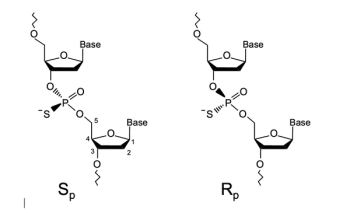
"LC Troubleshooting" explores why phosphorothioate oligonucleotides (ONs) diastereomers challenge liquid chromatography.

This new high-performance liquid chromatography (HPLC) method reliably measures cholesterol adsorption in artichoke fiber.
The panel walks through confirming peptide identity–from HRMS and LC–MS/MS sequencing to amino acid analysis and D/L-isomer verification.
Trending on LCGC International
1
HPLC Method Measures Fiber's Cholesterol Uptake
2
Automated GC-MS/MS Method Tackles Oil Phthalates
3
Women in Chromatography: Being the Only Woman in the Room
4
Confirming GLP-1 Peptide Identity and Structure
5